

Table of Contents
Counterfeit bearings can cause serious damage to industrial machinery.
U.S. industrial buyers still lose money on branded parts that look genuine on paper but are weak in source path. The problem is not only fake product. It is fake confidence. A quotation looks polished. A box looks clean.
A certificate looks presentable. Then the part arrives, runs hot, fails early, or creates an argument about whether it was ever bought through an authorized channel.
Proper documentation helps reduce the risk of counterfeit bearings in shipments.
Many companies lose money each year due to counterfeit bearings entering their supply chain.
Timken states that fake bearings can look original, packaging can be an exact copy, and the result can be unplanned downtime and expensive repairs. That matters for power plants, processing facilities, and distributors that buy under pressure.
Reddit discussions around counterfeit network gear show the same market pattern: even experienced teams say fake product can look real until someone checks a deeper technical detail or the product simply fails in service.
Counterfeit bearings remain a persistent and costly problem for industrial buyers across global supply chains. At first glance, many counterfeit bearings appear identical to genuine products. The packaging looks professional, labels seem correct, and documentation often appears complete. However, the real issue begins once these counterfeit bearings are installed in critical machinery, where performance failures quickly expose their poor quality.
Counterfeit Bearings – What in house teams often miss
It is important to verify suppliers to avoid purchasing counterfeit bearings.
Many internal teams are split by function. Purchasing checks price and lead time. Engineering checks part number. Stores checks delivery. Finance checks invoice. But nobody verifies the full chain between brand name and actual supply route. That is where counterfeit and suspect material survives.
One of the biggest risks associated with counterfeit bearings is unplanned downtime. In industries such as power generation, manufacturing, and processing, even a short disruption can lead to significant financial losses. Counterfeit bearings tend to run hotter, wear out faster, and fail under normal operating conditions. These failures not only damage equipment but also increase maintenance costs and reduce overall operational efficiency.
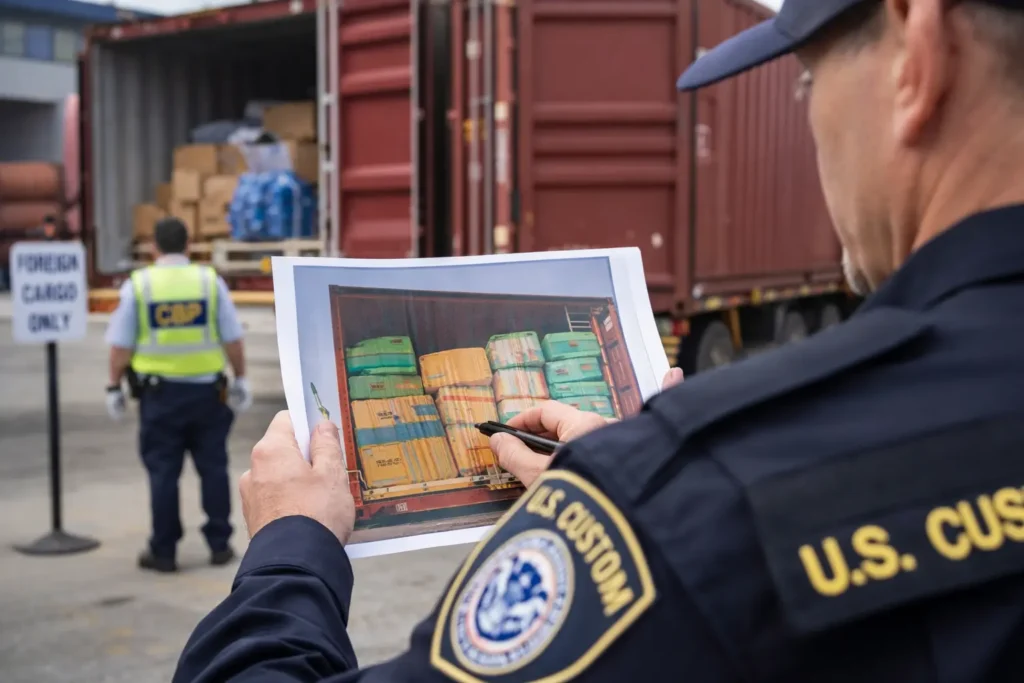
Counterfeit bearings often look identical to genuine products but fail much faster.
Common blind spots are simple. The seller is not in the normal distributor pathway. The quotation language is generic. Serials are present but not tied to manufacturer validation.
Packaging looks right but the paperwork does not explain how the item moved from OEM to seller. The exporter cannot show a clean trail for batch, packing, or source. In urgent shutdown buying, these checks are often skipped because everyone wants the part moving today, not the problem showing up next month.
The challenge for many procurement teams is that counterfeit bearings are not always easy to detect during the purchasing stage. Suppliers may provide polished quotations, convincing certificates, and seemingly valid serial numbers. Without proper verification, these details can create a false sense of confidence. Many buyers assume that if the paperwork looks correct, the product must be genuine. Unfortunately, counterfeit bearings exploit exactly this assumption.
Counterfeit bearings can negatively impact operational efficiency.
What U.S. buyers should check before issuing the final go ahead
Using counterfeit bearings can lead to unexpected equipment downtime.
For bearings and other rotating spares, the most practical buyer side review starts with source legitimacy, not only product appearance. Ask whether the seller is the OEM, an authorized distributor, or a secondary trader. Ask for the channel explanation in writing.
Ultimately, avoiding counterfeit bearings requires a proactive and structured approach. It is not enough to rely on appearance or documentation alone. Buyers must develop a habit of questioning the source, validating the supply chain, and ensuring full transparency before approving any purchase. By doing so, companies can protect their operations, reduce downtime, and maintain the reliability of their equipment.
Match manufacturer name, part number format, country of origin, date code logic, and packaging signals. Ask whether the seller can provide traceable batch or carton level evidence instead of only marketing brochures.
Engineers must be trained to identify signs of counterfeit bearings.
A key issue lies in the lack of end-to-end supply chain verification. In many organizations, responsibilities are divided across departments. Purchasing focuses on cost and delivery timelines, engineering checks part numbers, and finance reviews invoices. However, no single team may take full responsibility for verifying the authenticity of the supply route. This gap allows counterfeit bearings to enter the system unnoticed.
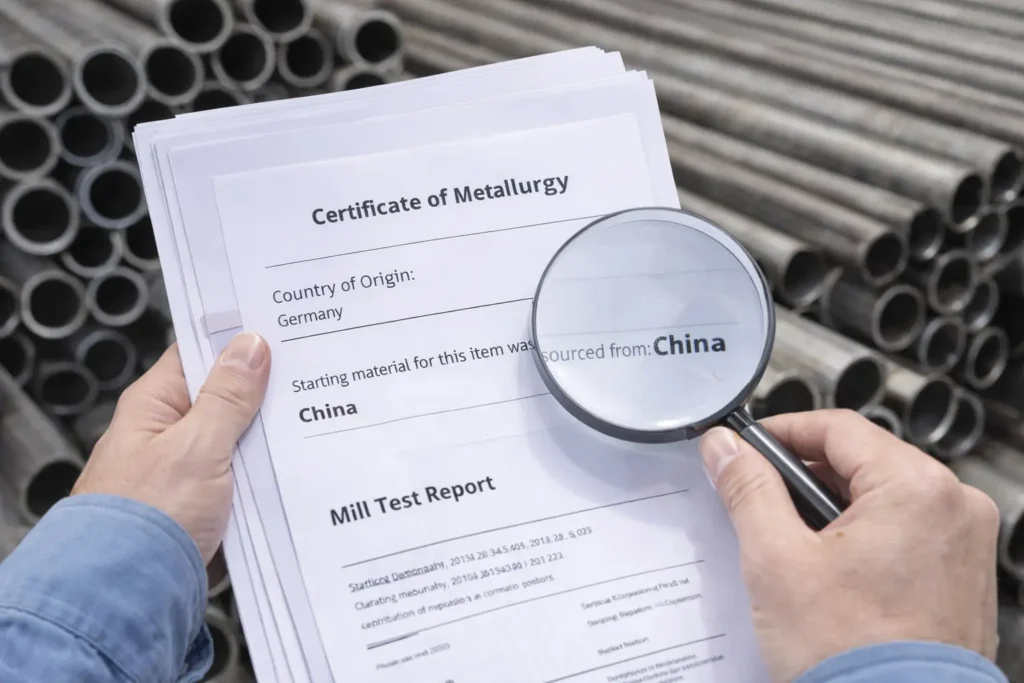
Then review the document package as one connected system. Commercial invoice, packing list, certificate language, and labels should not conflict with one another.
Counterfeit bearings pose both financial and safety risks to businesses.
If the exporter says the goods are genuine and factory fresh, the paperwork should support that statement without vague wording. If the route is indirect, the buyer needs to know why. If there is repacking, relabeling, or mixed consolidation, the risk goes up.
Counterfeit bearings may not meet required safety and performance standards.
Where your service fits
Procurement teams should implement strict quality checks to detect counterfeit bearings.
This is a strong service line for your website because it is not ordinary sourcing. It is risk reduction before cargo moves. You are not promising that every shipment is perfect.
Many industries are raising awareness about the dangers of counterfeit bearings.
To reduce risk, buyers must shift their focus from product appearance to source validation. It is essential to confirm whether the supplier is an original equipment manufacturer (OEM), an authorized distributor, or a secondary trader. Requesting a clear explanation of the supply chain path can reveal inconsistencies that might otherwise go unnoticed. Genuine suppliers should be able to provide traceable documentation, including batch numbers, origin details, and verifiable certification.
You are showing buyers that you review the things many teams assume someone else already checked: source path, document consistency, origin logic, traceability language, and warning signs that do not look serious until they become a claim or receiving rejection.
Counterfeit bearings are commonly found in global spare parts markets.
Your 19 years of supply experience is valuable here because this work depends on pattern recognition.
Choosing authorized distributors is one way to avoid counterfeit bearings.
Another important step is reviewing all documents as a connected set rather than in isolation. The commercial invoice, packing list, and certificates should align in terms of product description, origin, and manufacturer details. Any mismatch or vague language can be a warning sign of counterfeit bearings. Additionally, buyers should be cautious when dealing with repackaged or consolidated shipments, as these increase the risk of product substitution.
A new buyer may see a good price. An experienced reviewer sees whether the offer behaves like a real industrial channel or a copied commercial front.
Training internal teams to recognize the warning signs of counterfeit bearings can also make a significant difference. Simple checks, such as verifying distributor authorization, comparing product markings, and confirming serial numbers with manufacturers, can prevent costly mistakes. In urgent situations, where speed is prioritized, these checks are often skipped, increasing exposure to risk.
Installing counterfeit bearings can increase maintenance costs significantly.
FAQ
How can a buyer tell if bearings are counterfeit?
A buyer should not rely on packaging alone. Review the source pathway, ask whether the seller is authorized, compare part and batch logic, and check whether the document pack supports a genuine OEM or authorized distribution route.
Can counterfeit bearings still look genuine?
Yes. Manufacturer guidance warns that fake bearings can look original and packaging can be copied. That is why document review and source legitimacy checks matter before shipment.
Why is source path more important than price?
A low price does not prove fraud, but an unclear source path raises risk. In industrial MRO, a cheap branded part can become expensive if it causes downtime, early failure, or warranty disputes.
What should be reviewed before shipment?
Review quotation wording, commercial invoice, packing list, source explanation, origin details, traceability language, and any authenticity or test documents connected to the part.