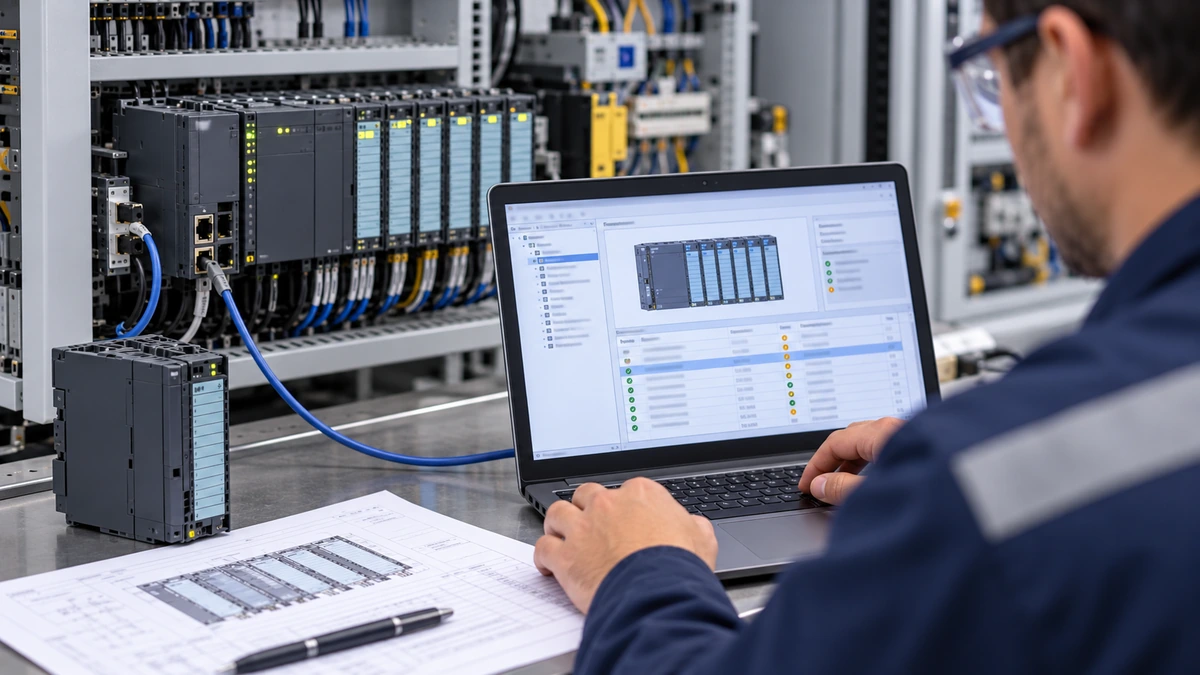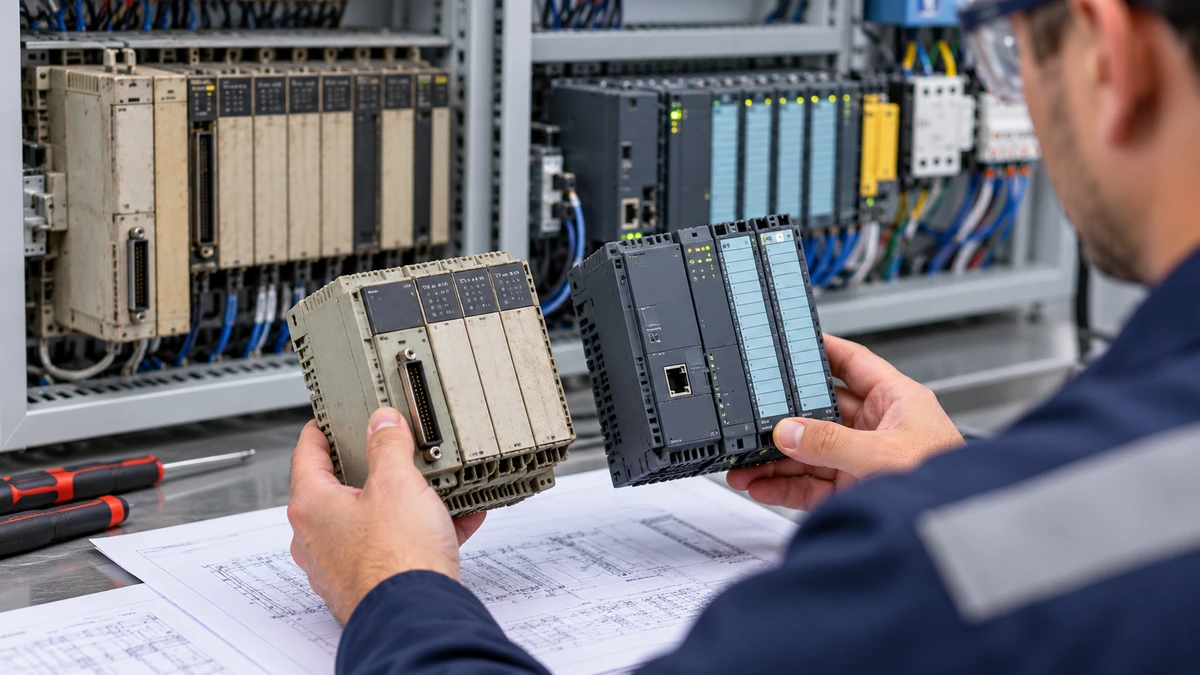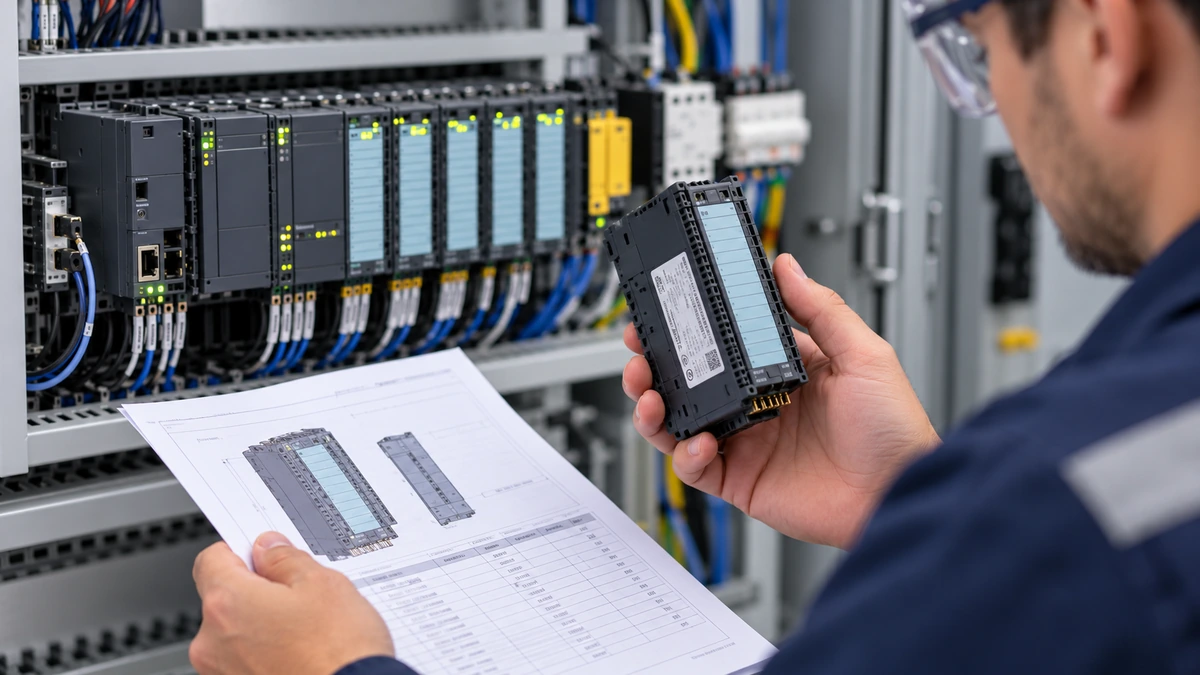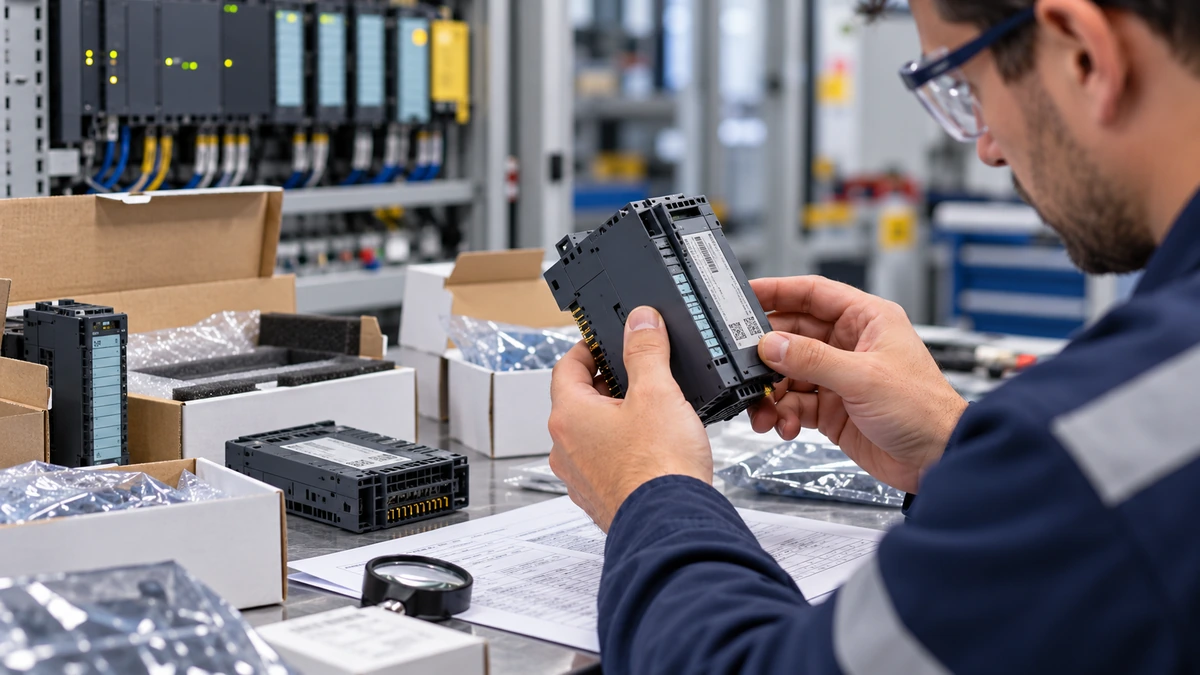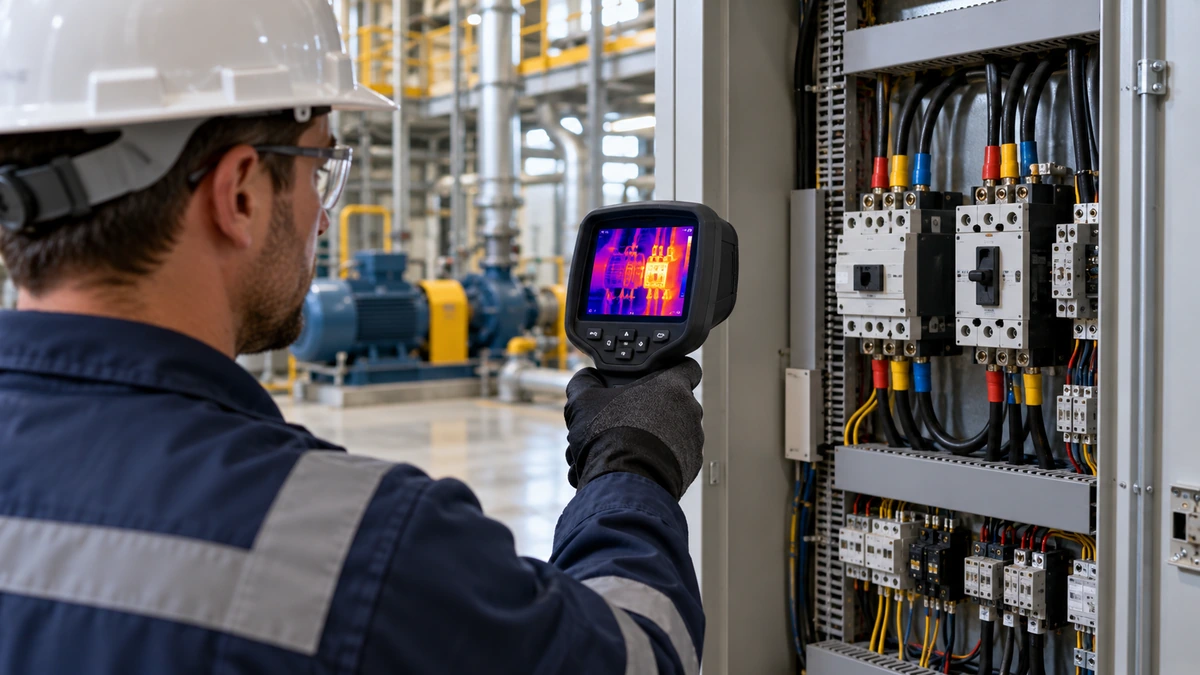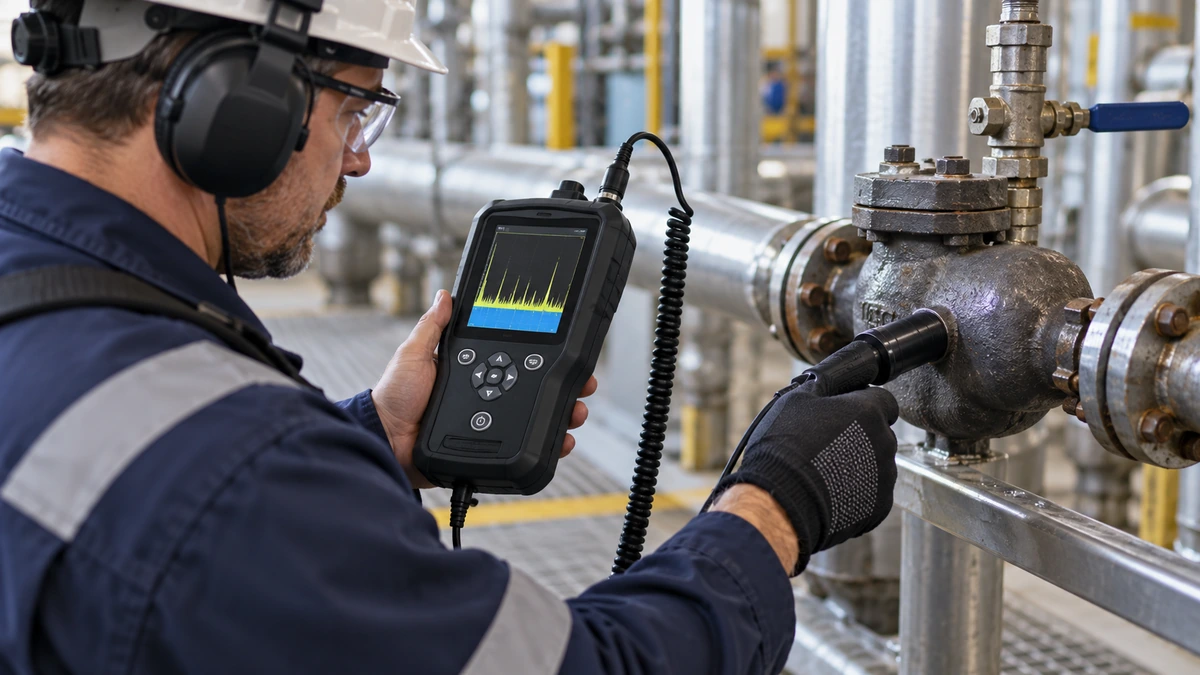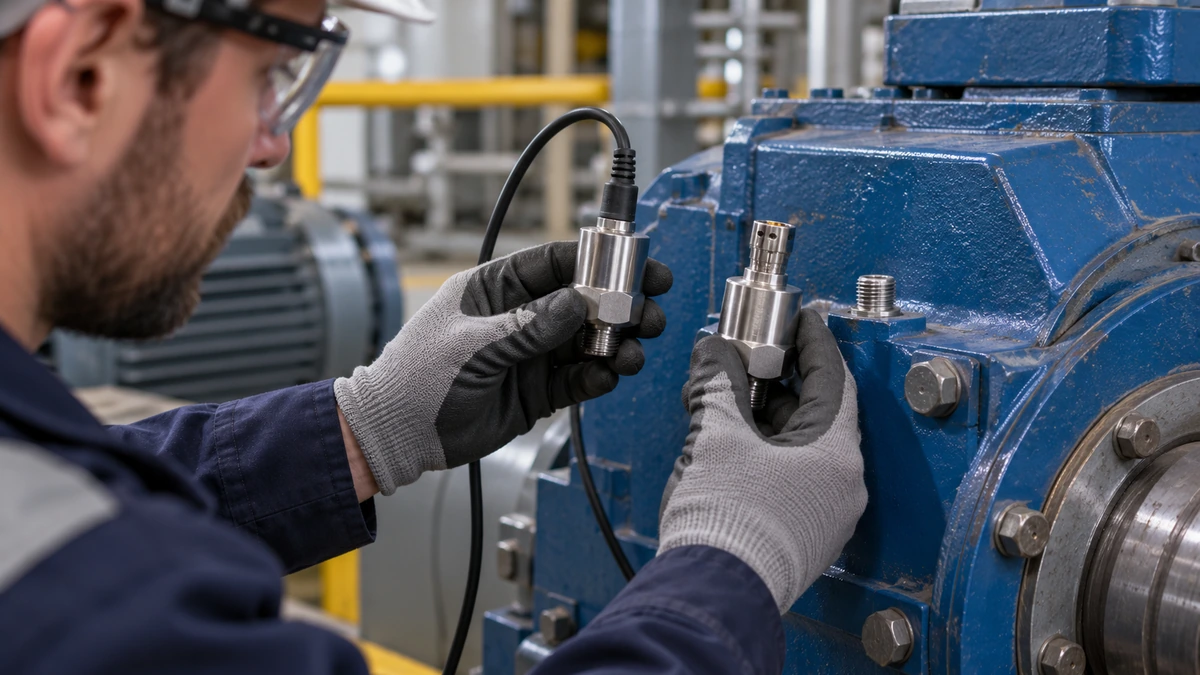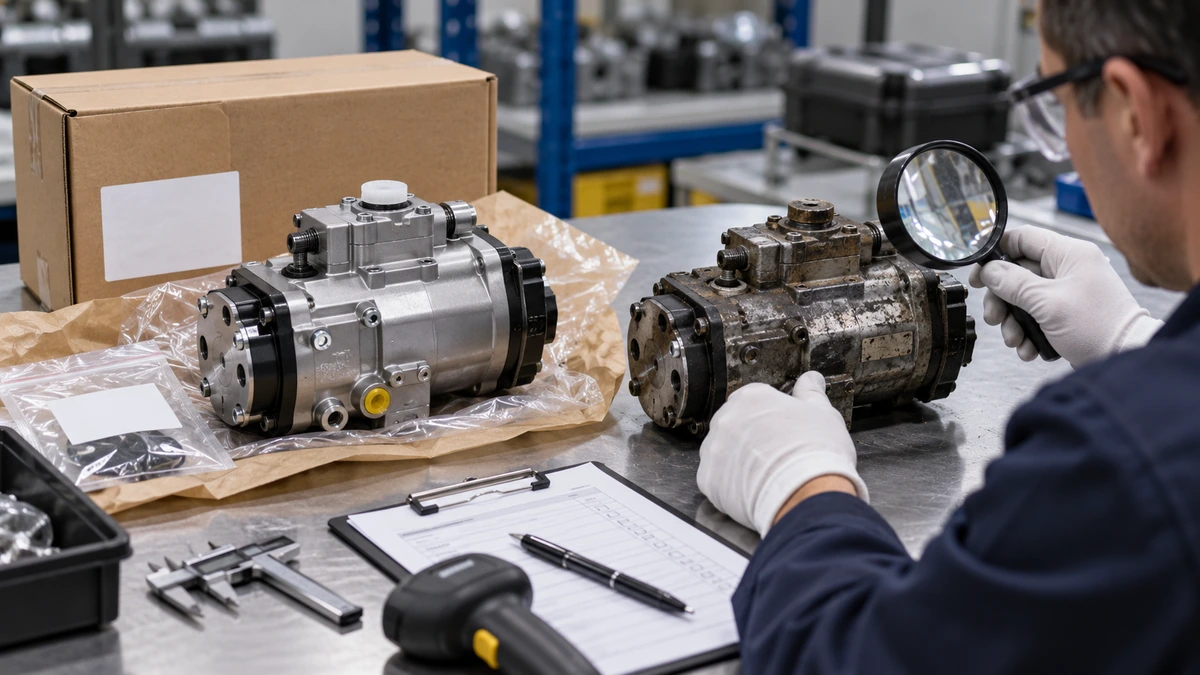
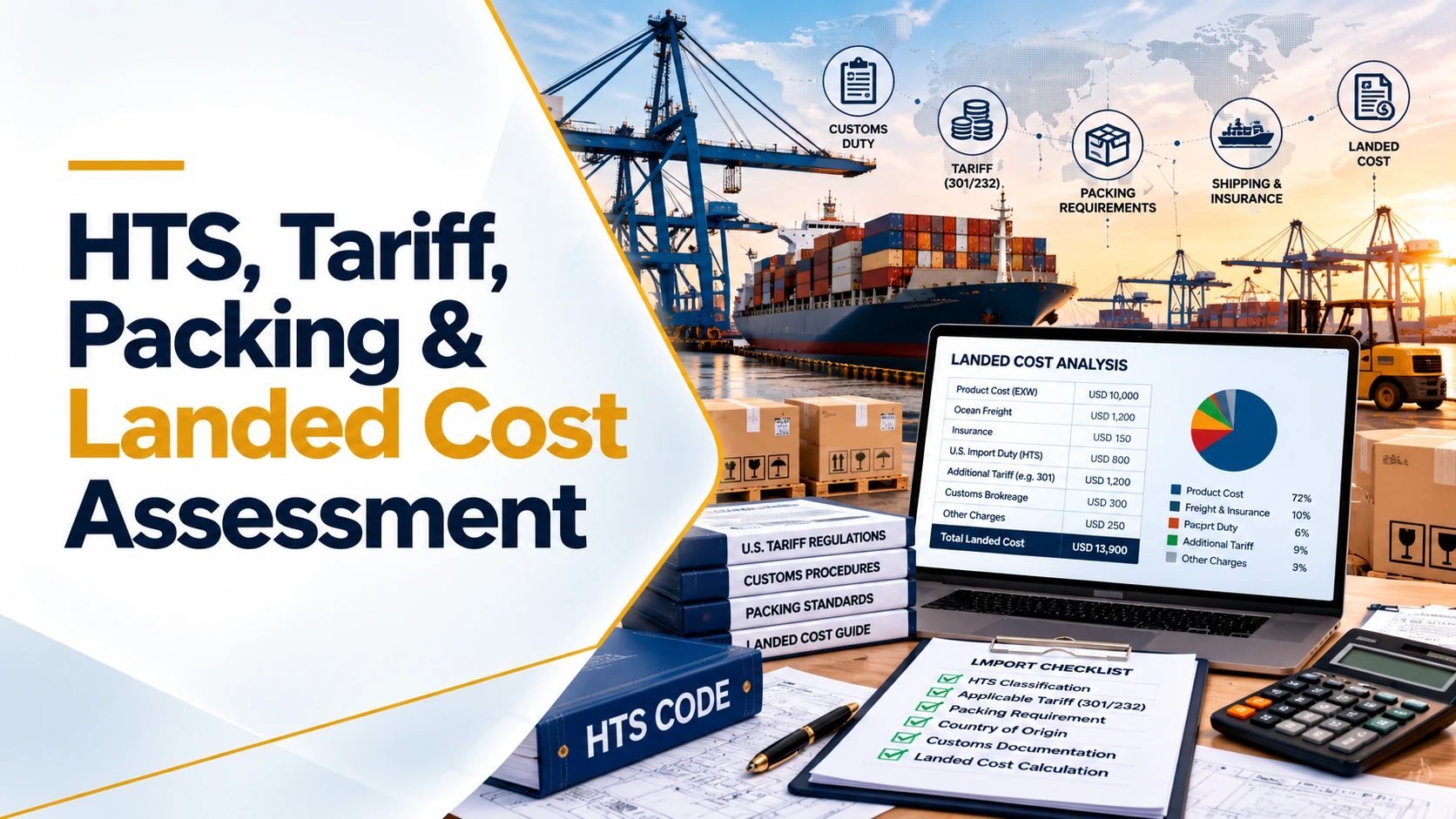
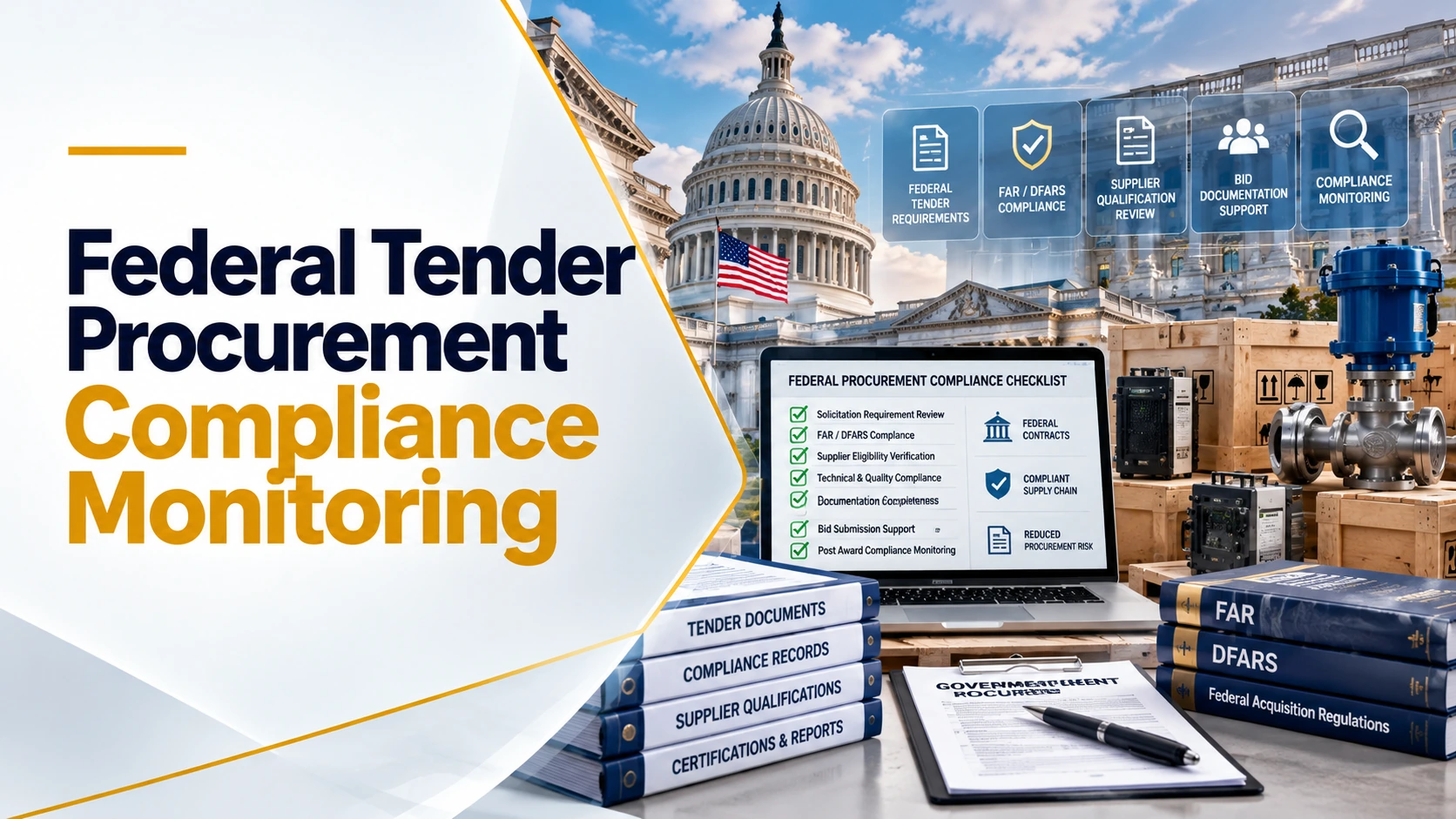
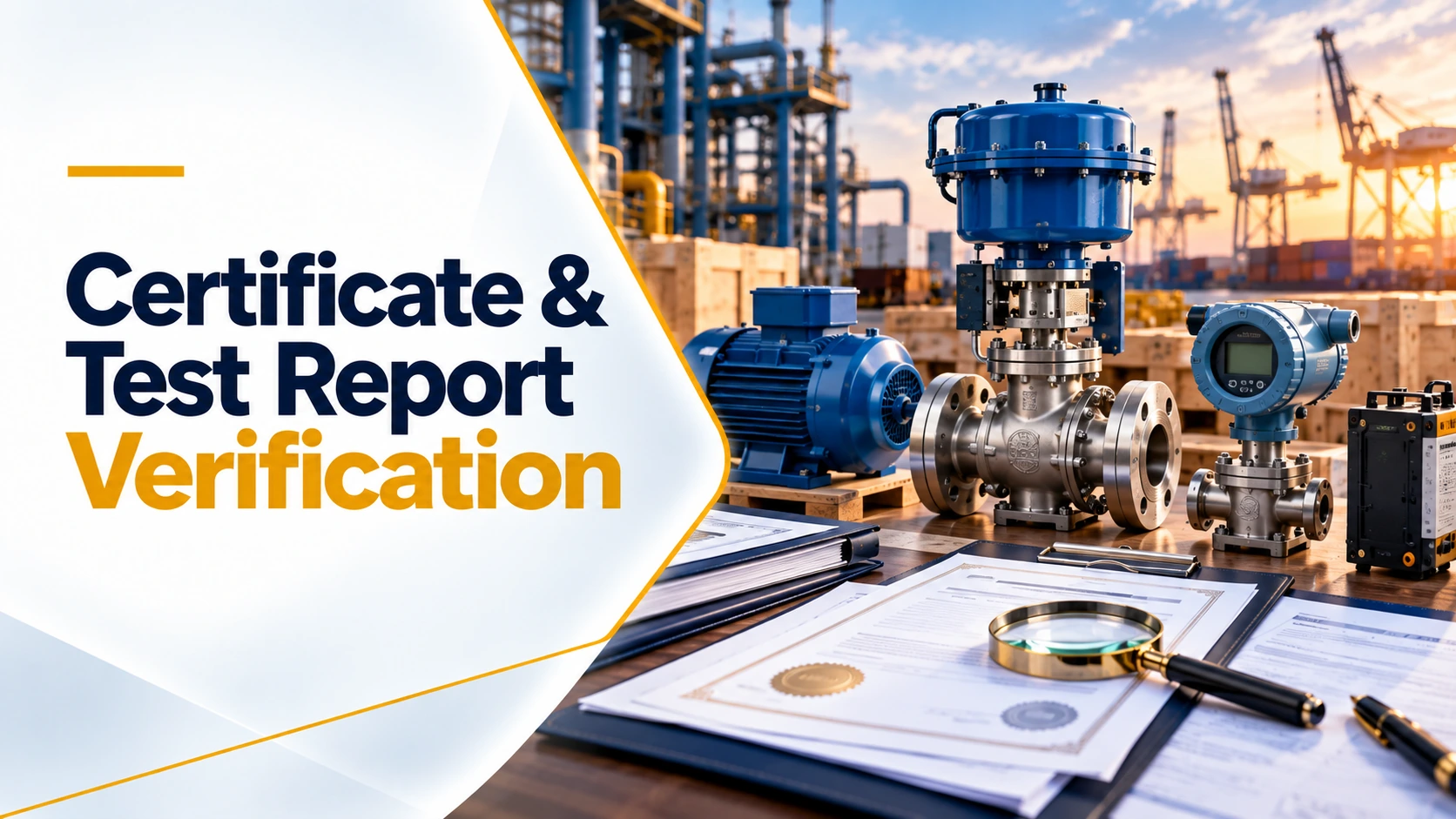
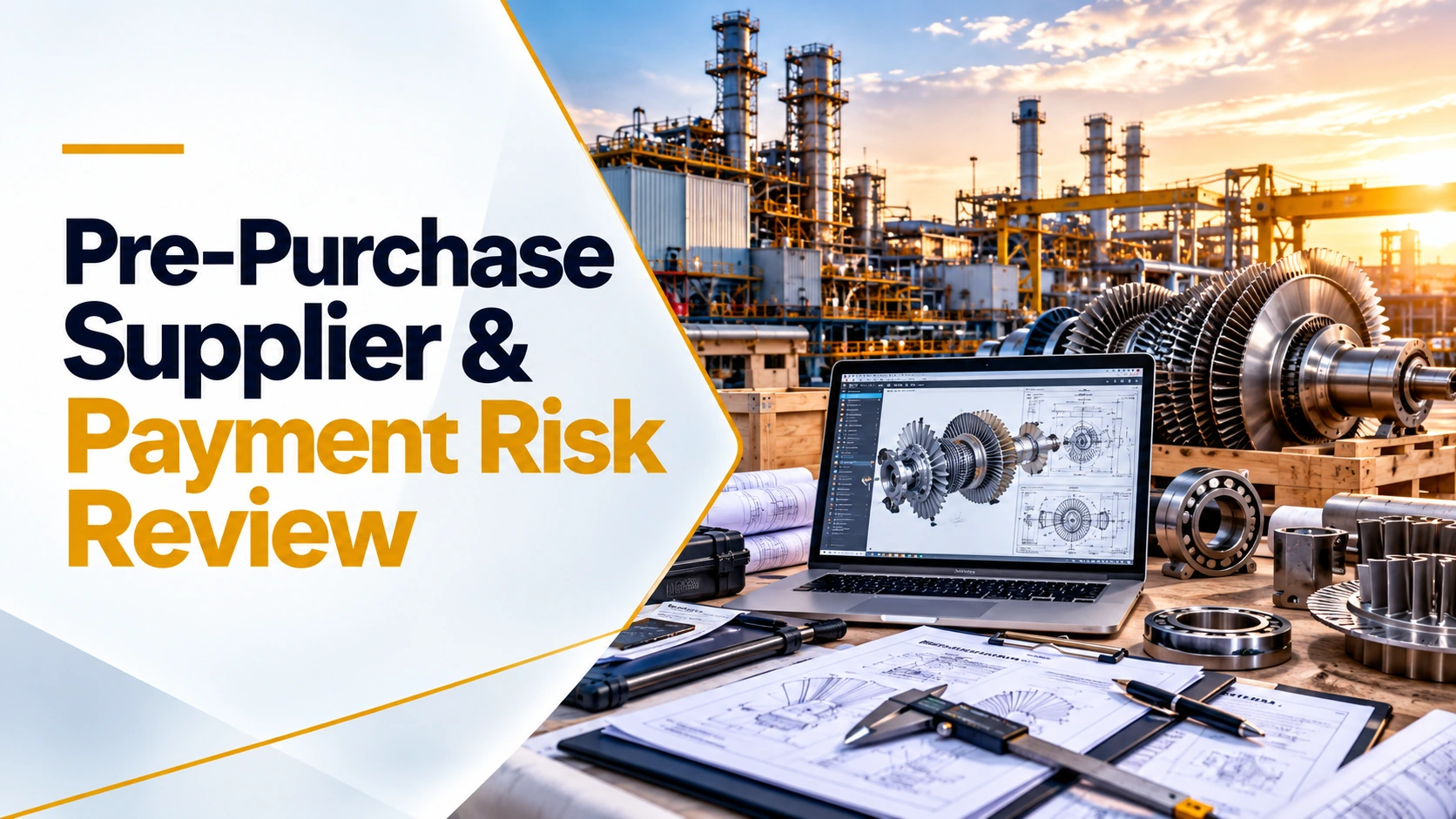
U.S. buyer focused Cross border procurement intelligence Independent review Confidential handling Cyber aware communication
Technical Industrial Procurement

Difficult Industrial RFQs, Supplier Risk and Private Label OEM/ODM Execution

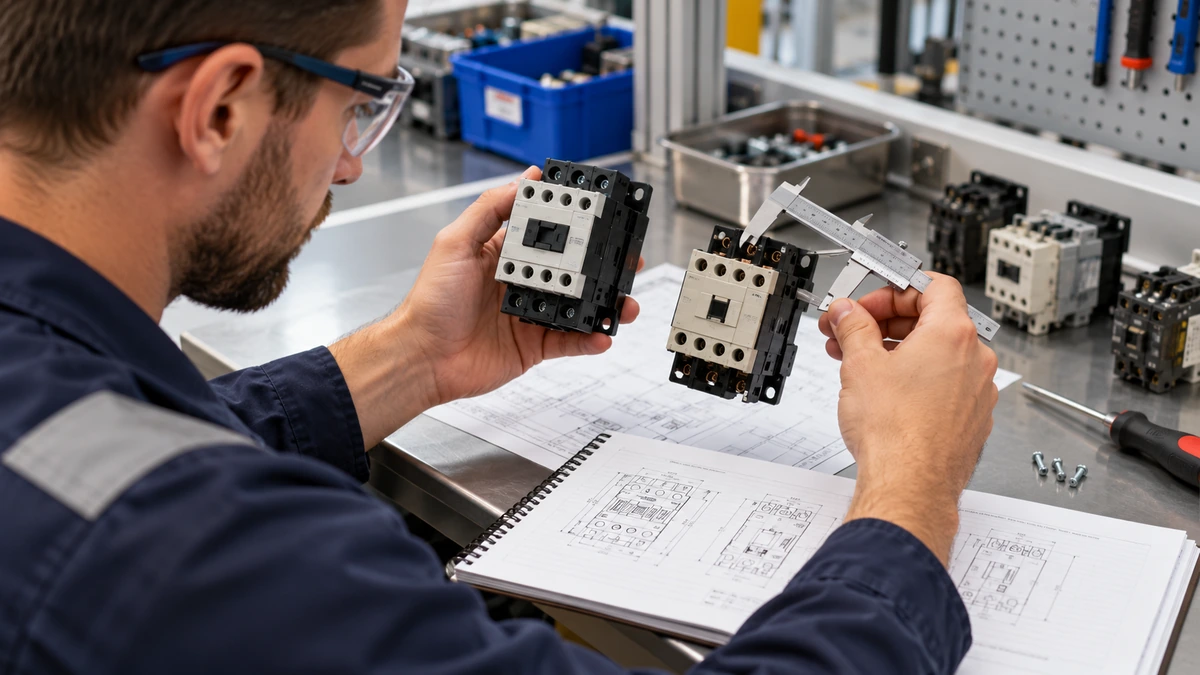
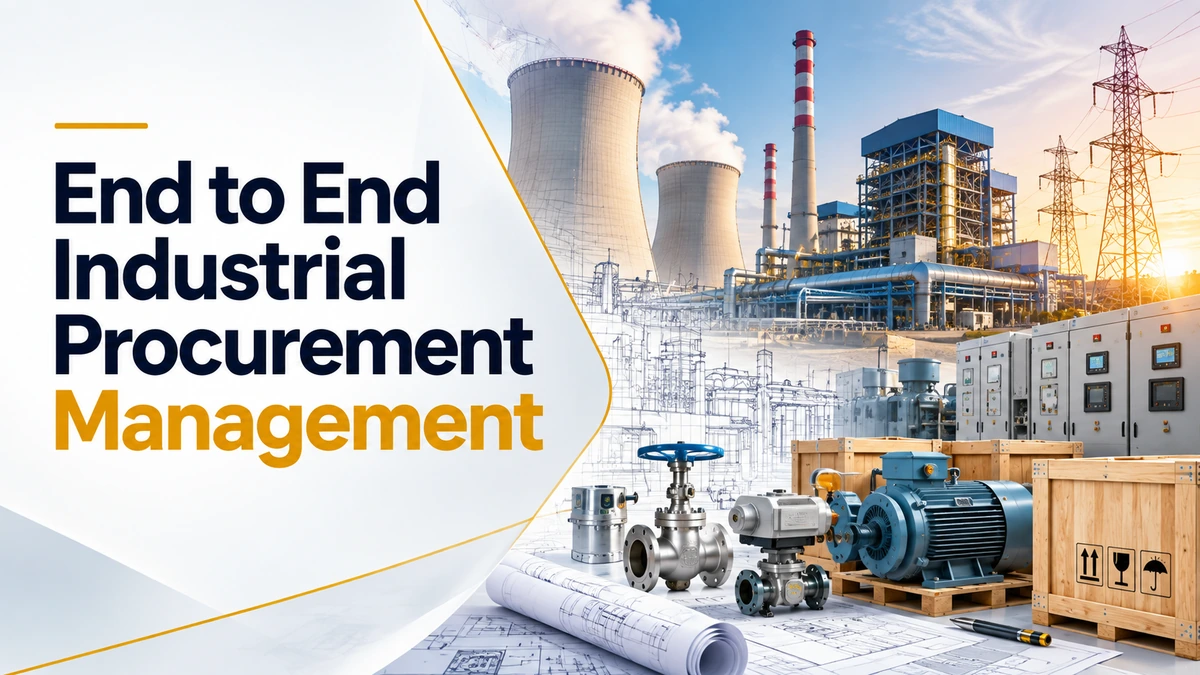
I support U.S. industrial buyers, distributors and procurement teams when an RFQ needs more than supplier search. The work can include technical requirement review, OEM and grey-market route checking, vendor qualification, specification and revision control, compliance-pathway review, private-label China manufacturing, quality control and procurement execution through delivery.

19+Years of industrial RFQ, vendor and procurement execution experience
1,200+Industrial procurement cases received, reviewed, quoted or executed
0%Manufacturer commission, rebate or hidden payment for OEM/ODM selection
Buyer SideTechnical and commercial decisions are made for the buyer's interest
Two Ways to Use Me

One Technical Procurement Capability, Two Commercial Models

Some clients already have brands and vendors but their procurement team is overloaded. Others want an industrial product developed under their own brand through a controlled China OEM/ODM route.

Path A

Outsourced Technical Procurement Desk

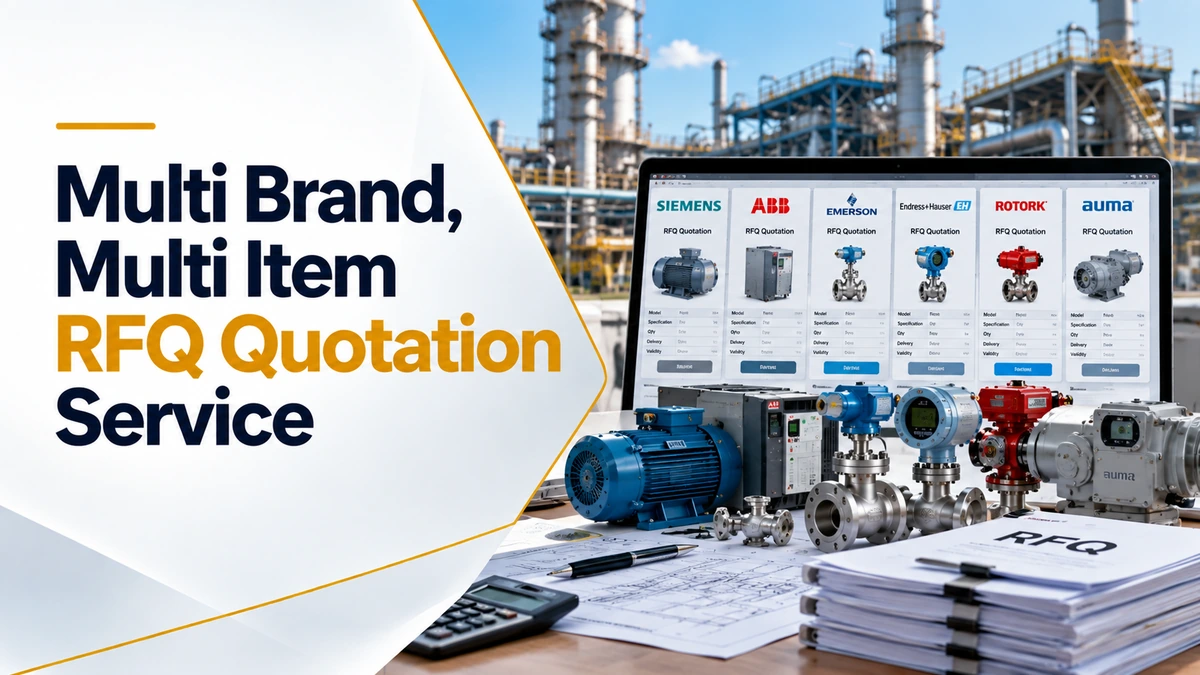
Your team sends difficult RFQs or an active procurement workload. I can take defined packages from requirement review through supplier qualification, quotation comparison, clarification, commercial execution, document control and delivery follow-up.

  • RFQ overload and difficult plant spares
  • Multi-brand or multi-country vendor comparison
  • Obsolete, revision-sensitive and grey-market exposure
  • Supplier follow-up and procurement execution
Five Core Services

What a U.S. Industrial Client Can Hire Me to Do

Supplier finding can be one small step. The real work is deciding whether the item, route, factory, documentation and execution are safe enough to proceed.

01

Technical Industrial Procurement Management

Manage difficult industrial RFQs from technical requirement through vendor comparison, clarification, negotiation, PO support, documentation and delivery follow-up.

  • Datasheet and specification review
  • Model and revision matching
  • Technical deviations
  • Quotation normalization
  • Commercial comparison
  • PO and delivery follow-up
02

OEM Authenticity, Grey Market & Supplier Risk Control

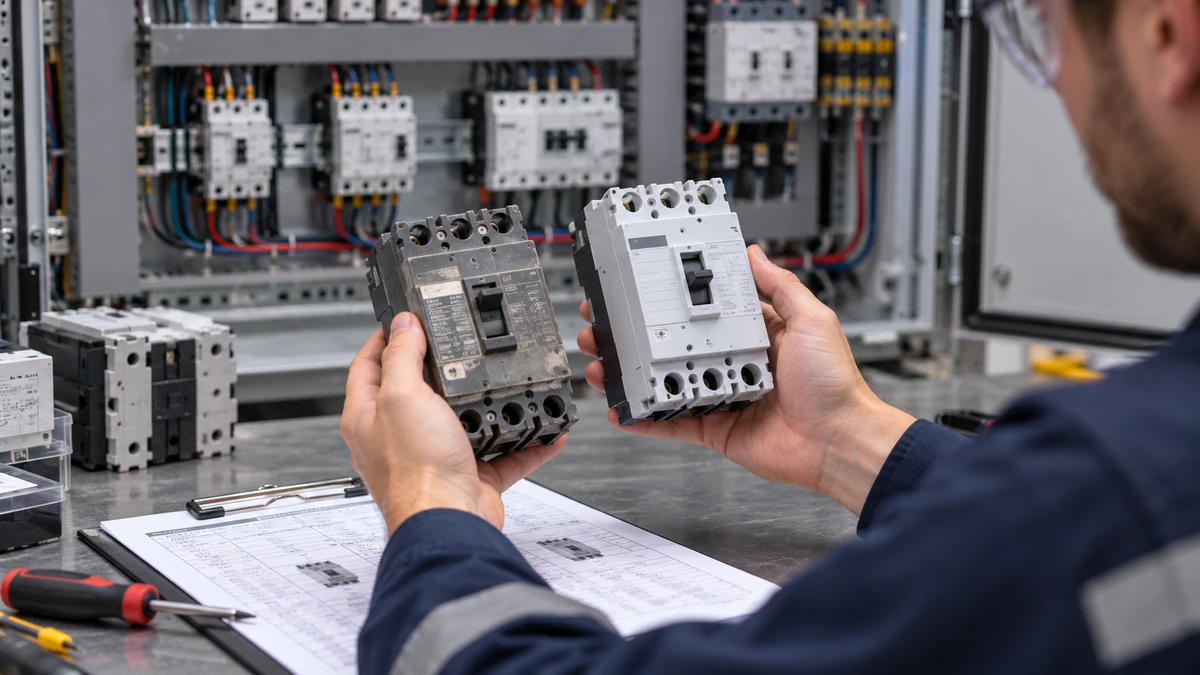
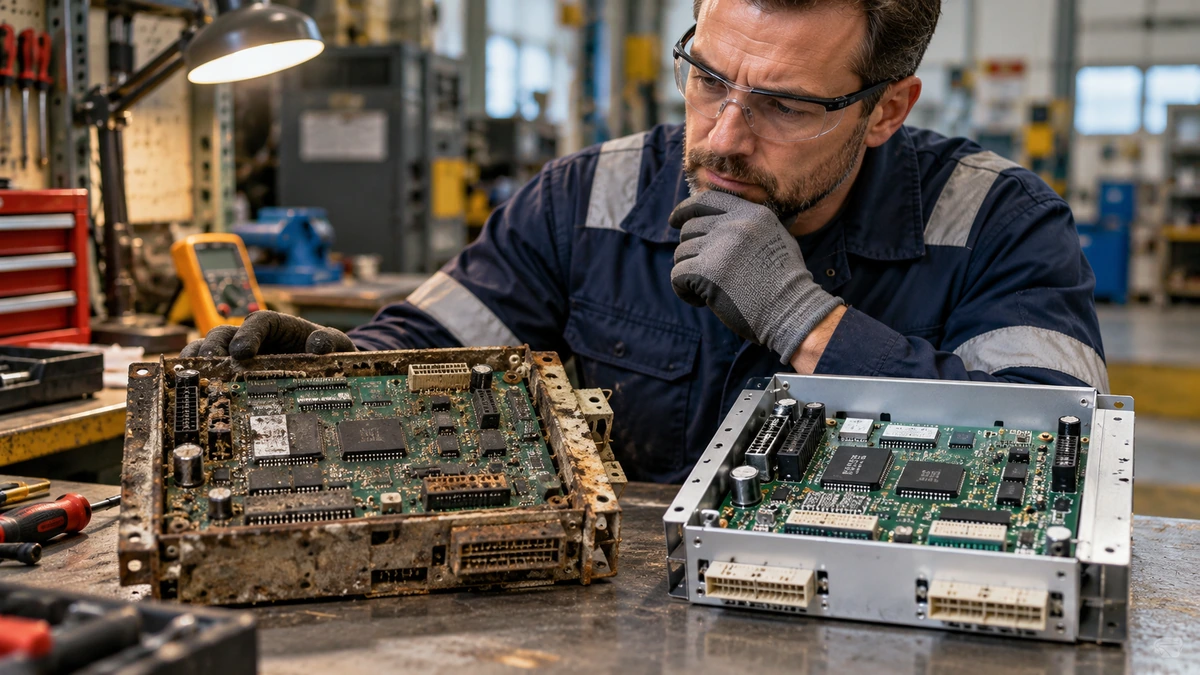
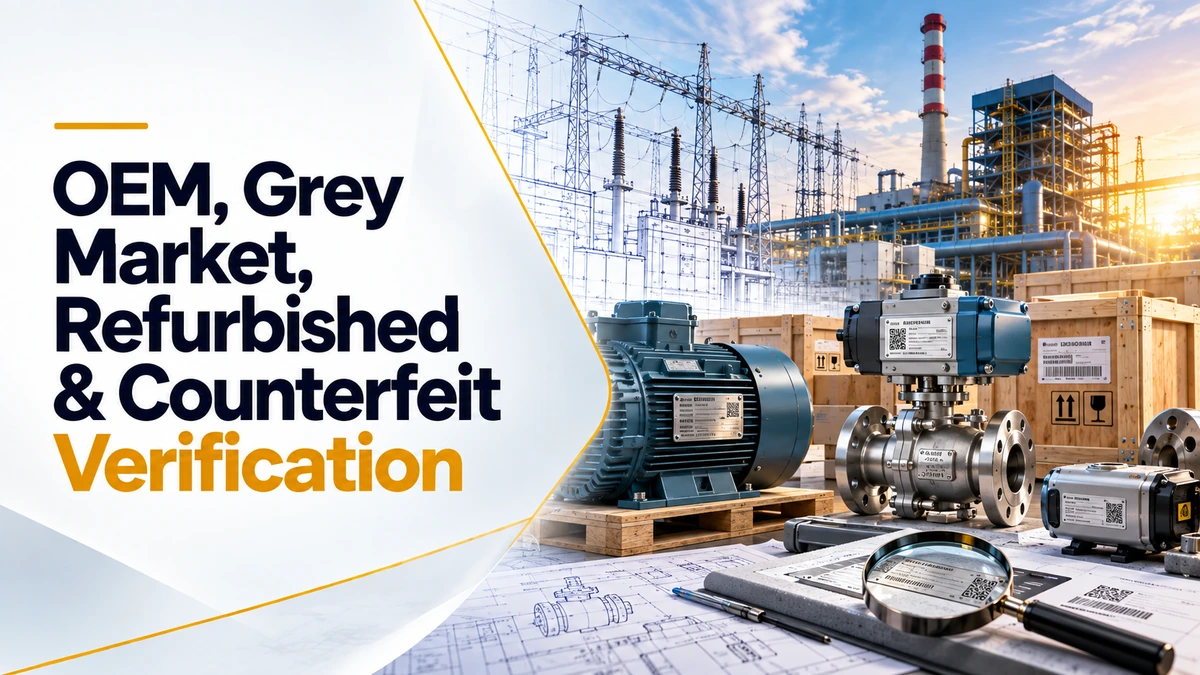
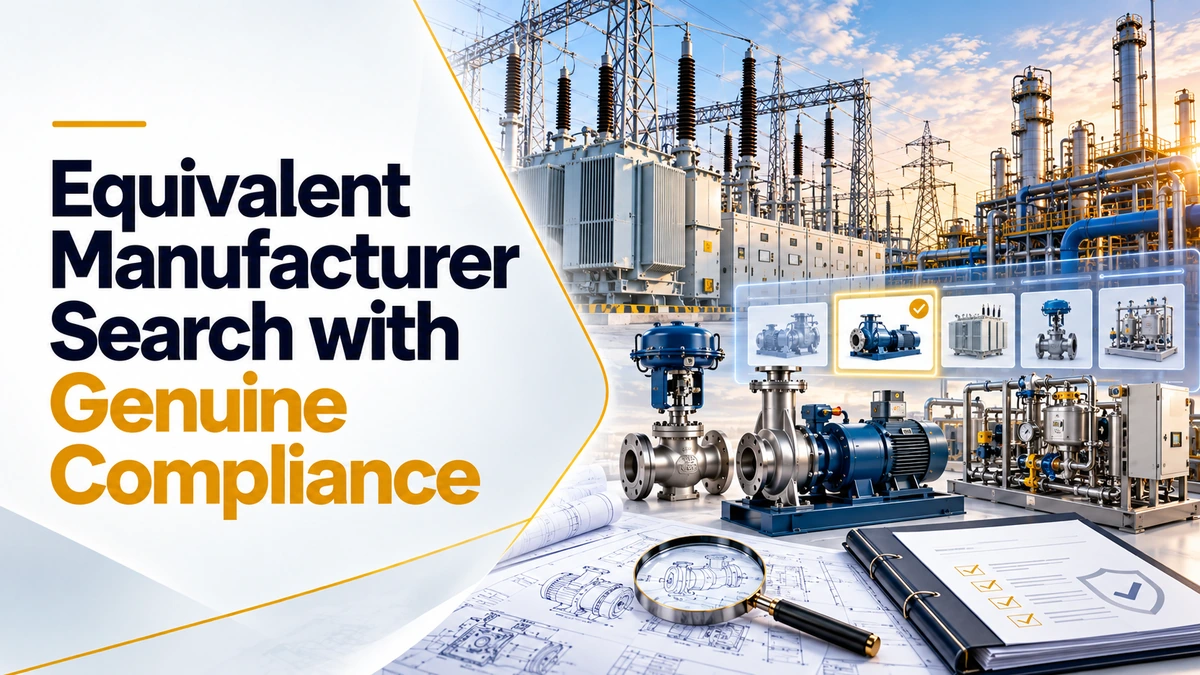
Review whether the proposed route is genuine OEM, authorized distribution, independent resale, old stock, refurbished, grey-market, counterfeit-risk or otherwise unclear.

  • OEM route and authorization evidence
  • Serial / nameplate inconsistencies
  • Firmware or hardware revision risk
  • Obsolete and lifecycle status
  • Certificate credibility
  • Supplier identity and backend route
03

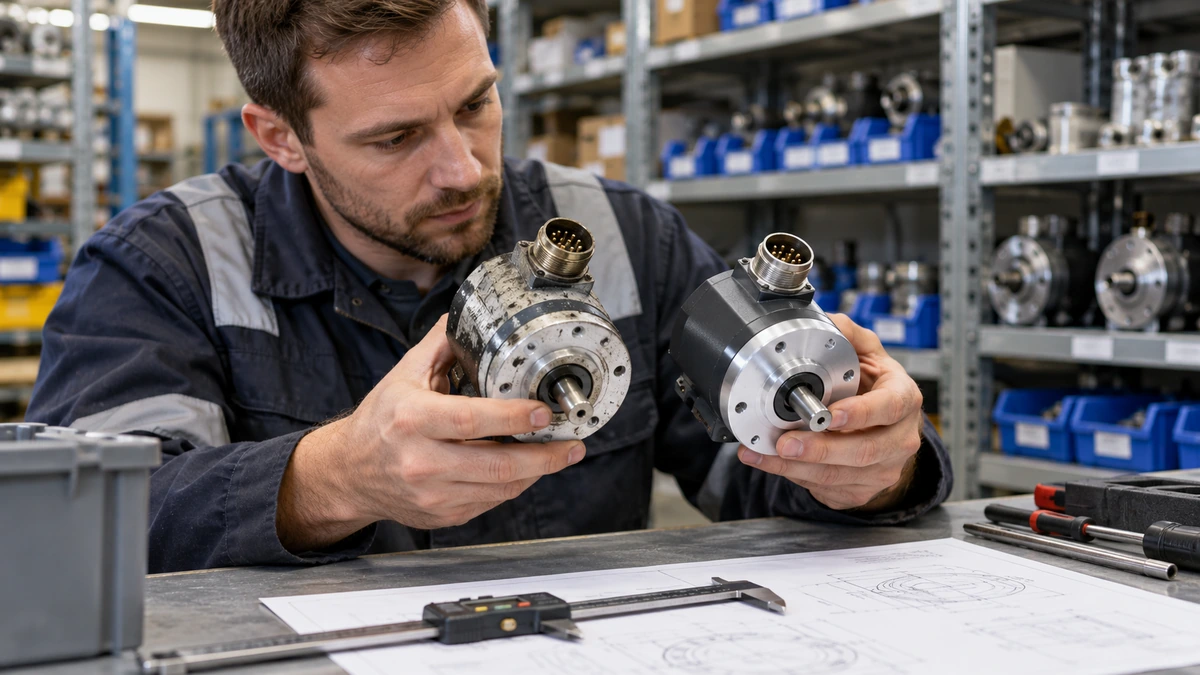
Technical Vendor Qualification & Product Validation

Compare factories and vendors against the actual technical requirement, not only website claims or quotation price.

  • Manufacturing capability
  • Engineering and test capability
  • BOM and critical component review
  • Material and drawing controls
  • Certification evidence
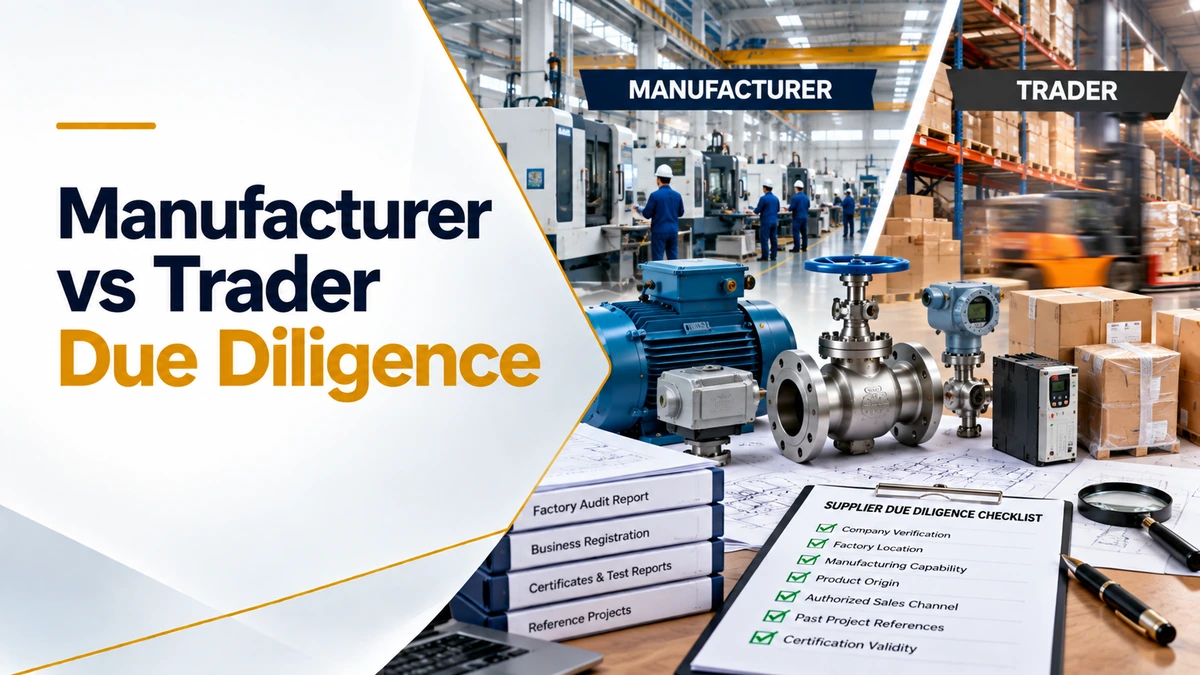
  • Factory / trader / assembler distinction
04

Private Label Industrial OEM/ODM Engineering

Convert a U.S. client's industrial specification into a controlled OEM/ODM manufacturing program in China under the client's brand.

  • Specification-to-factory development
  • Prototype and golden sample
  • BOM and engineering change control
  • Branding, labels and manuals
  • Compliance-pathway coordination
  • QC and pre-shipment control
05

Embedded Technical Procurement Desk for Overloaded Teams

A recurring external procurement function for U.S. industrial companies that need experienced technical RFQ handling, vendor control and execution capacity when workload increases.

  • Defined number of active RFQs
  • Technical clarification with vendors
  • Alternative source development
  • Supplier-risk escalation
  • Certificate and document control
  • Monthly procurement pipeline reporting
Product Expertise

Industrial Categories Where Technical Detail Matters

These categories explain the technical territory where model, material, performance, lifecycle, firmware, certificates and supplier route commonly matter.

AUT

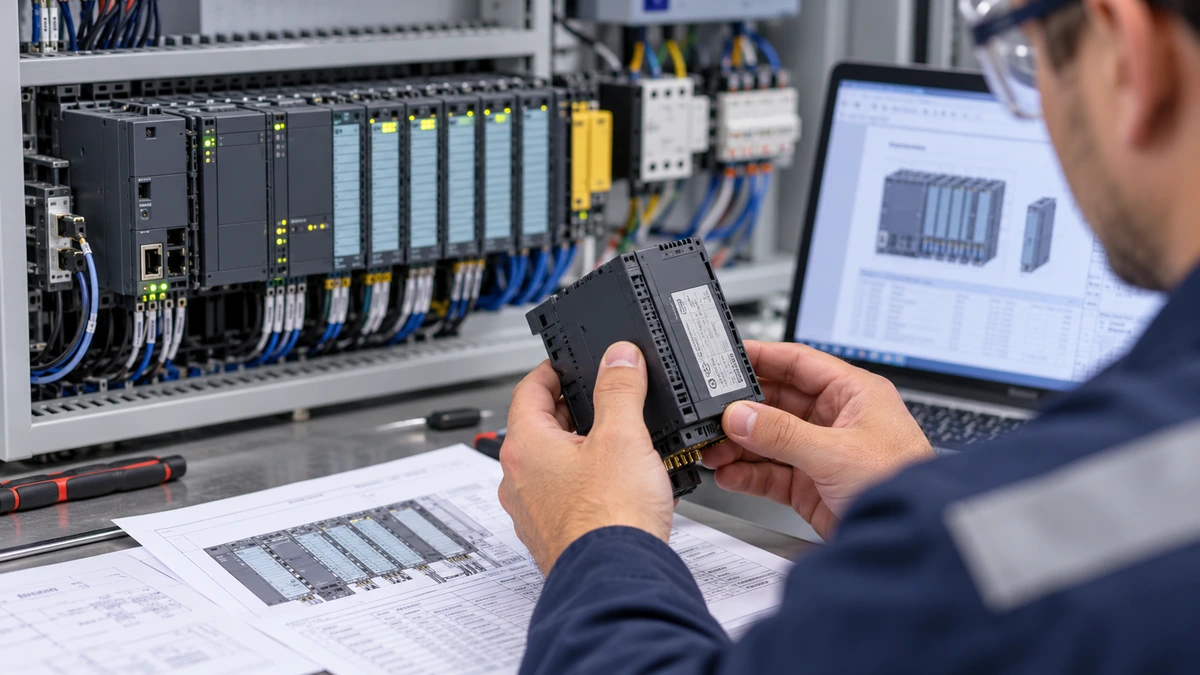
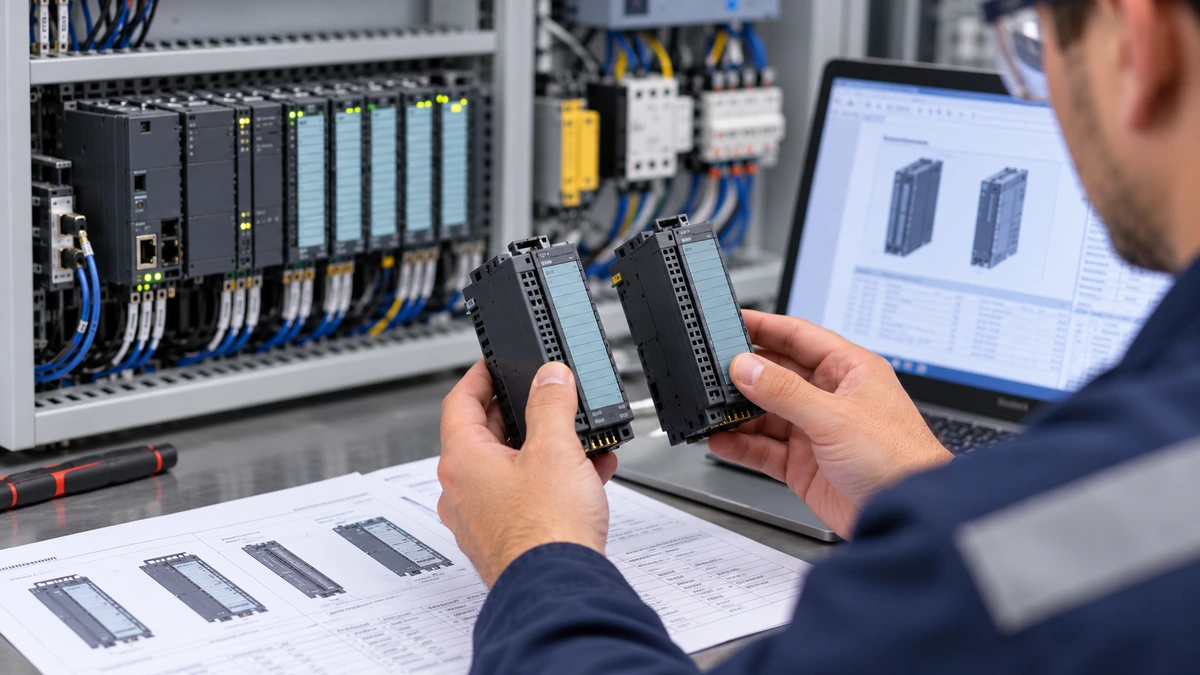
Automation & Control

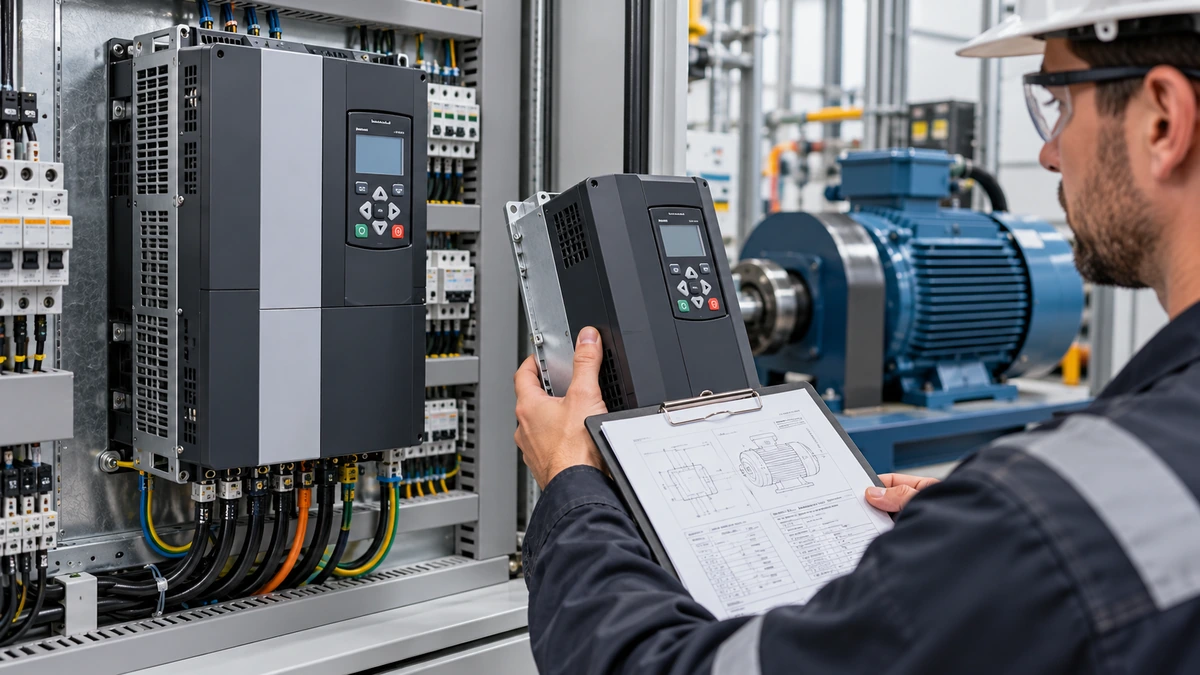
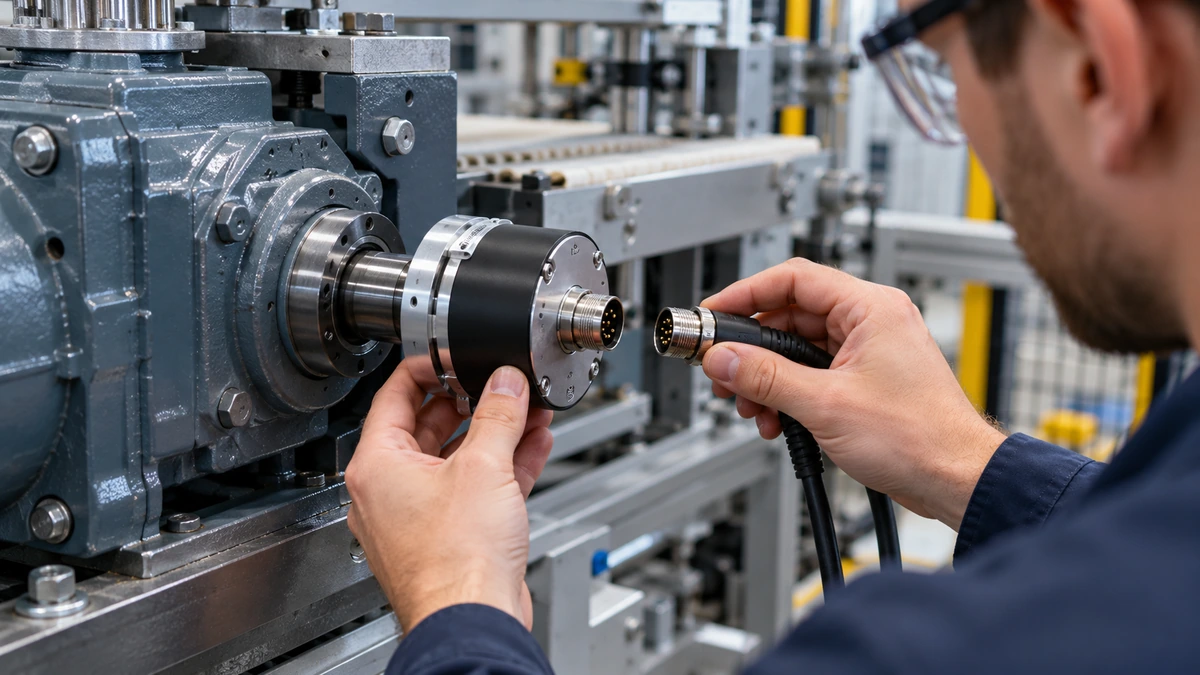
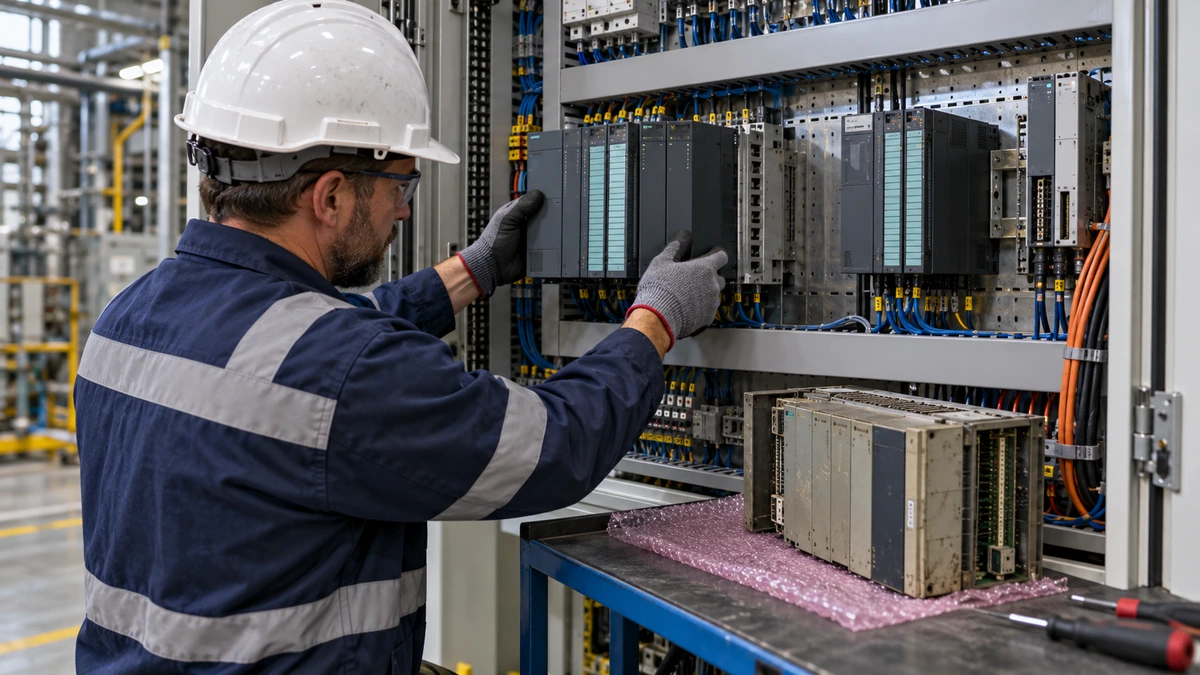
PLC, I/O cards, communication modules, HMI, controllers, DCS/SCADA-related spares, firmware and hardware revision-sensitive electronics.
ELE

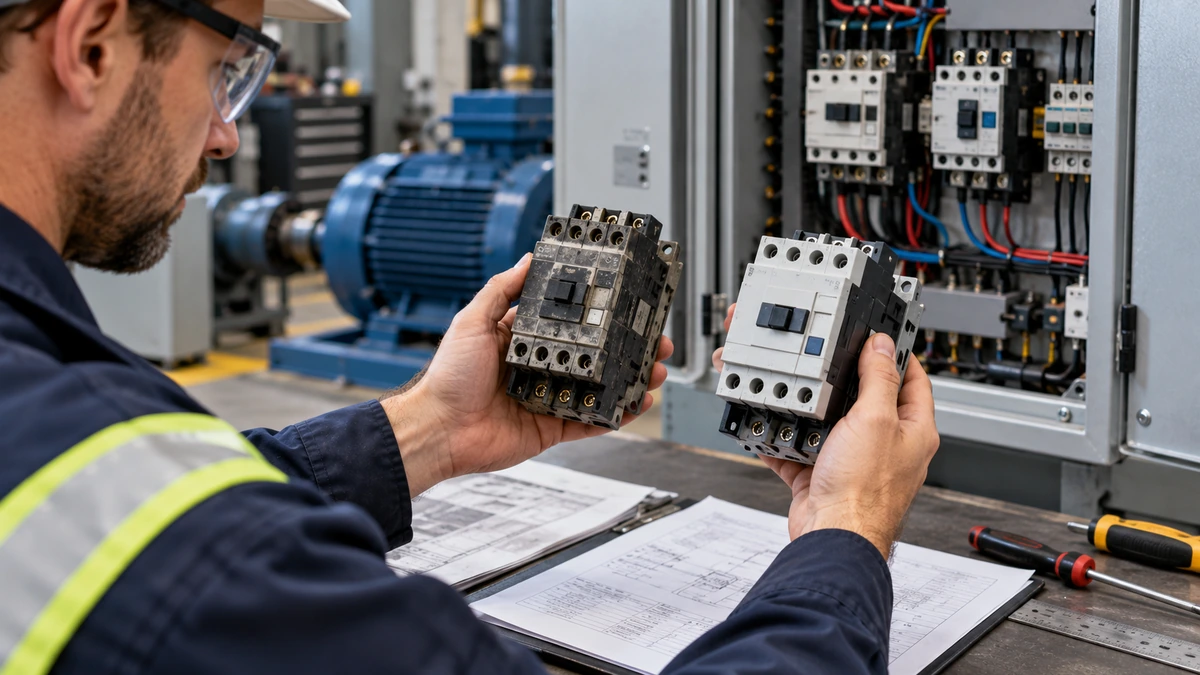
Electrical Equipment

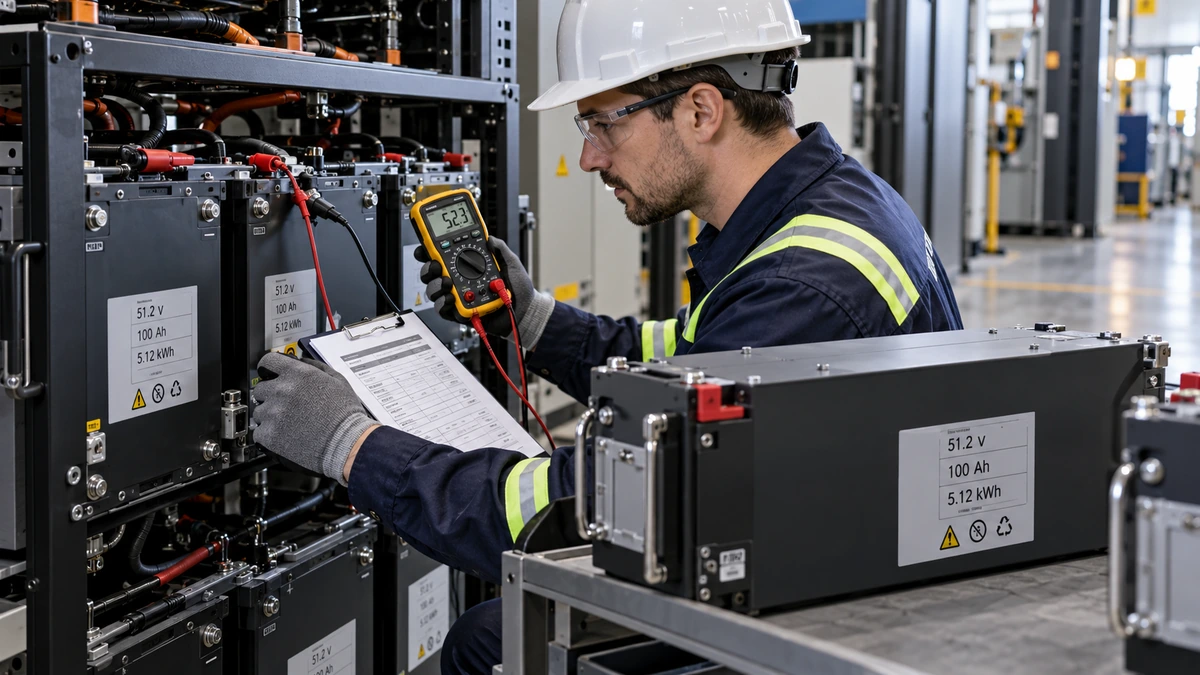
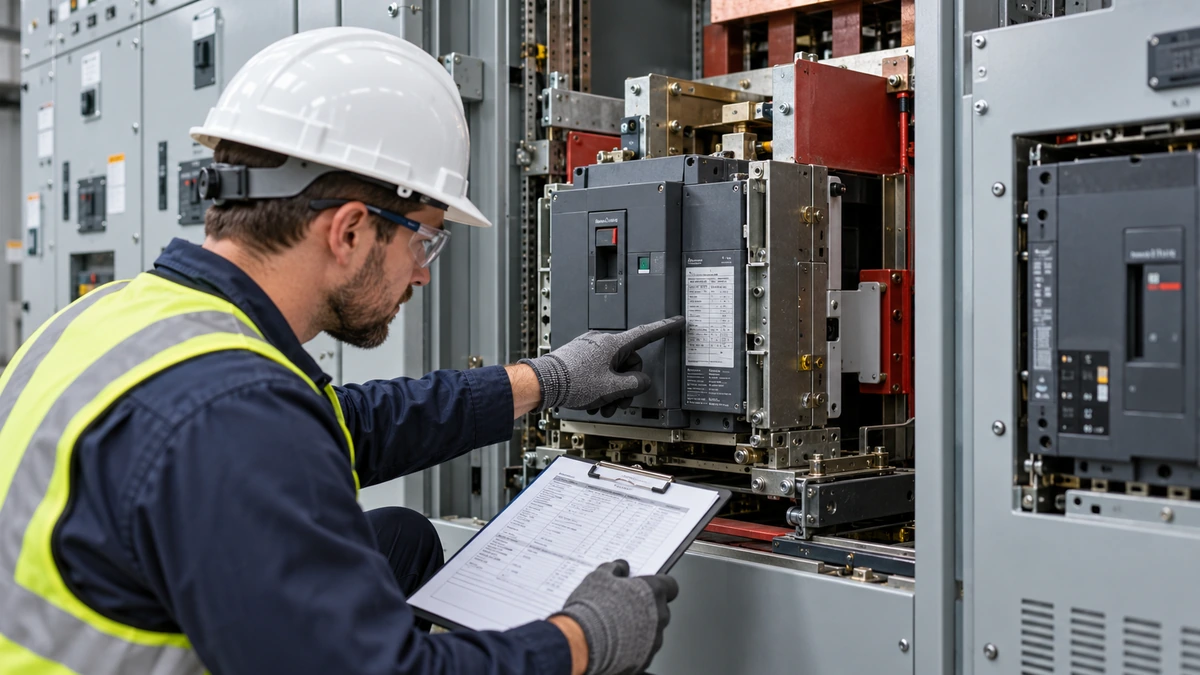
Motors, starters, drives, protection, UPS, batteries, switchgear and selected transformer or substation accessories.

ROT

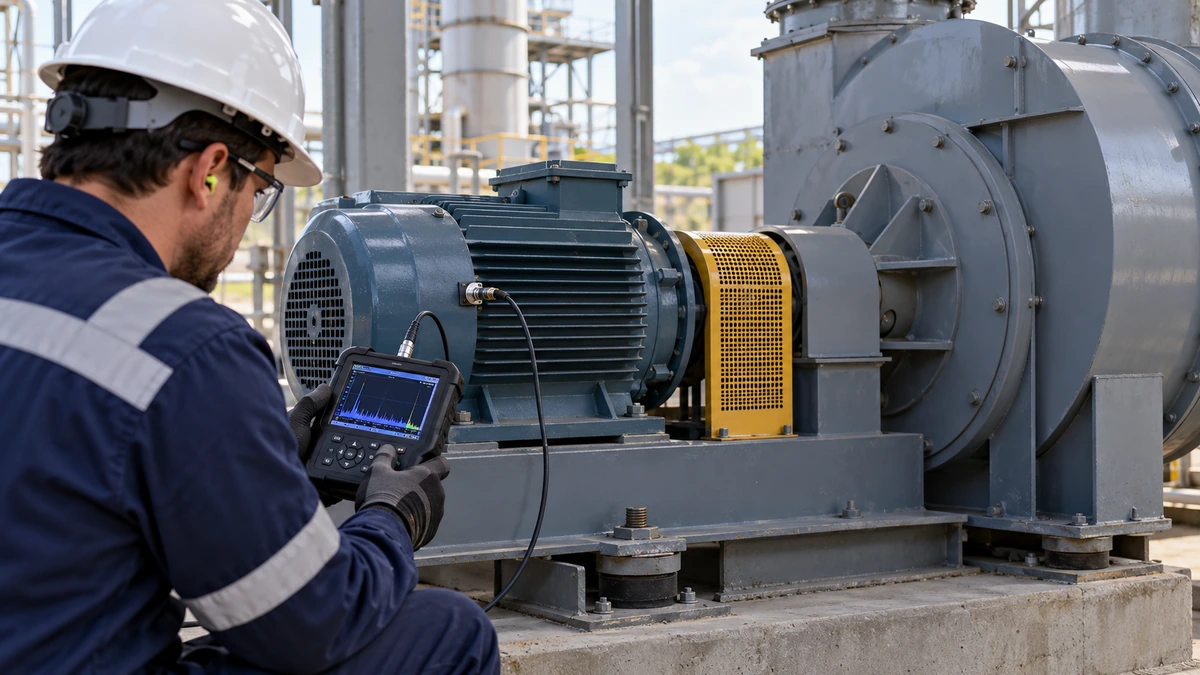
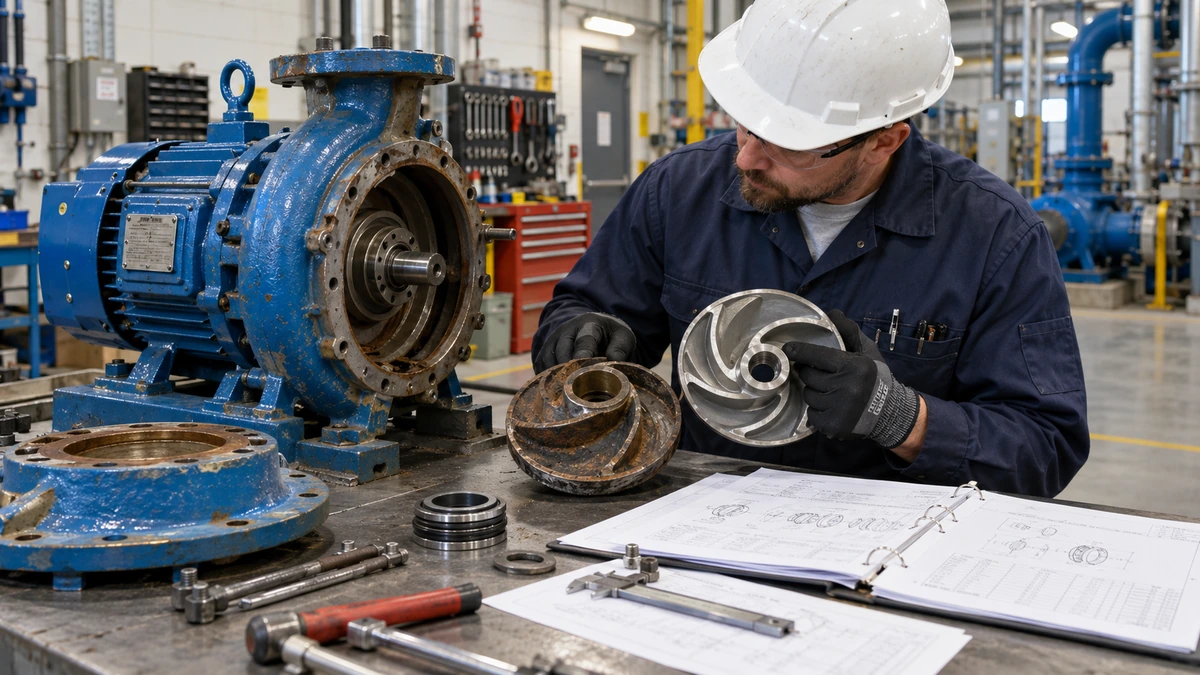
Rotating Equipment

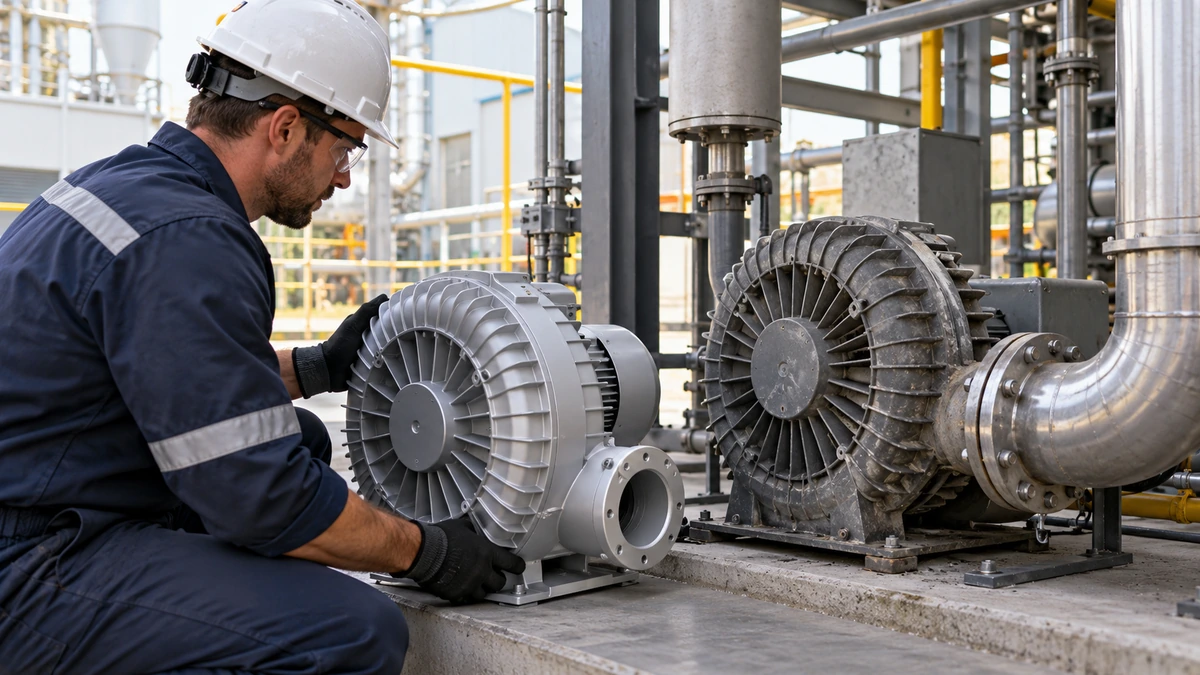
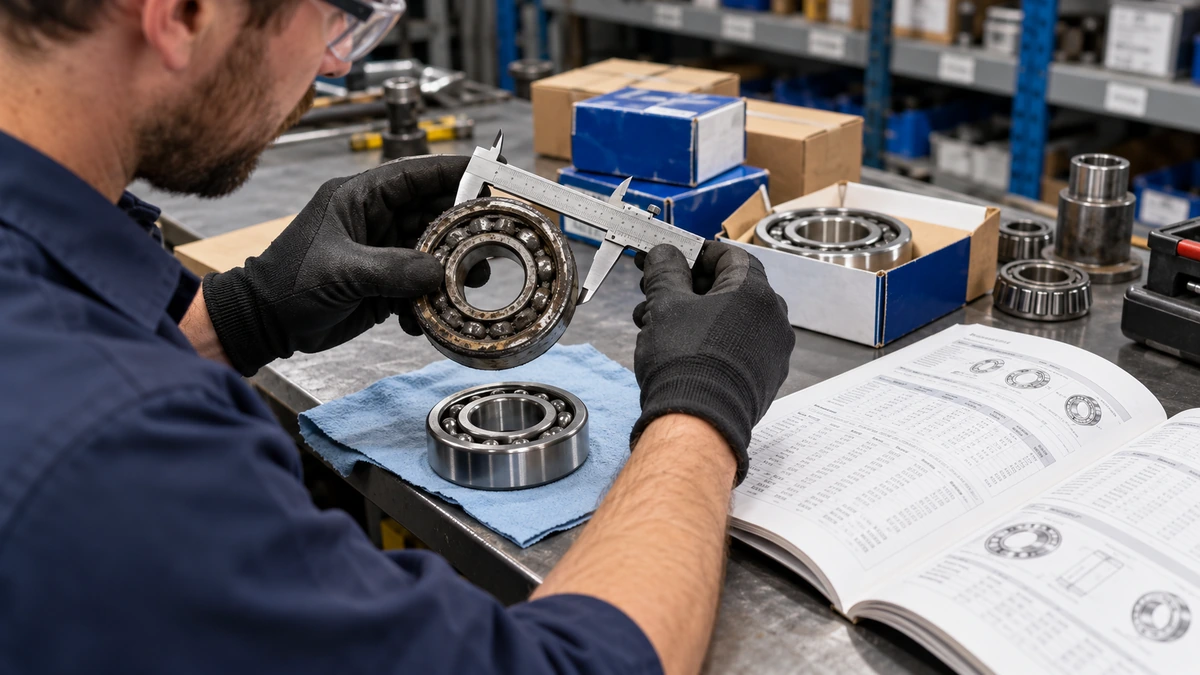
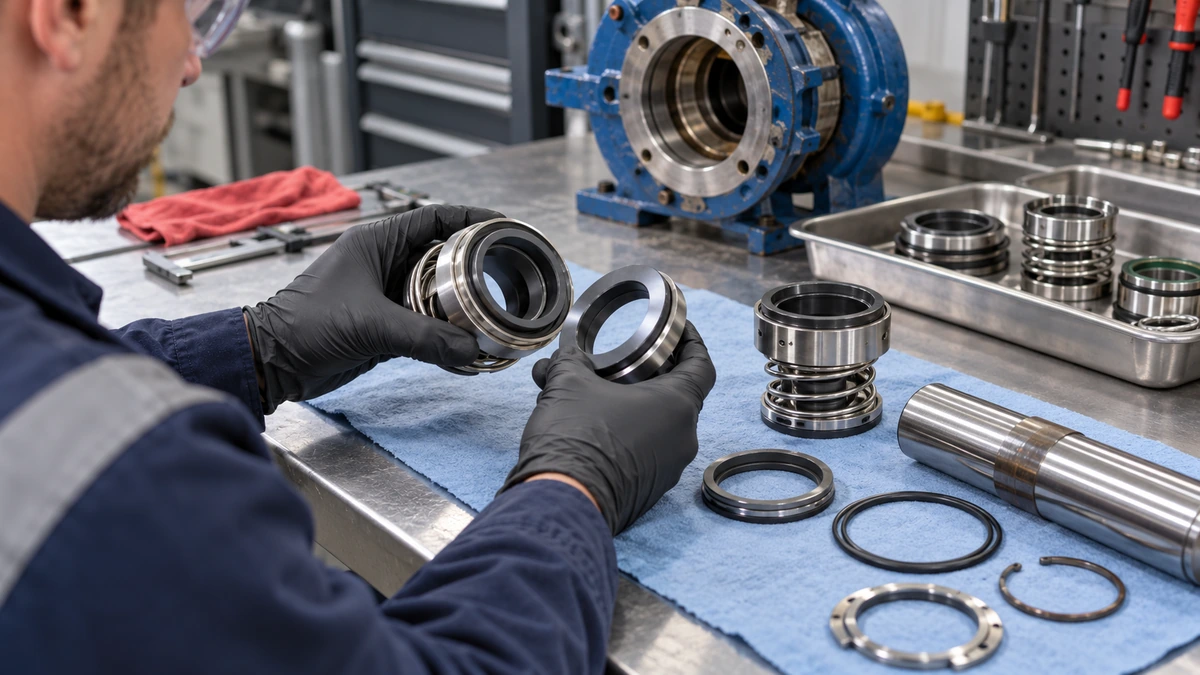
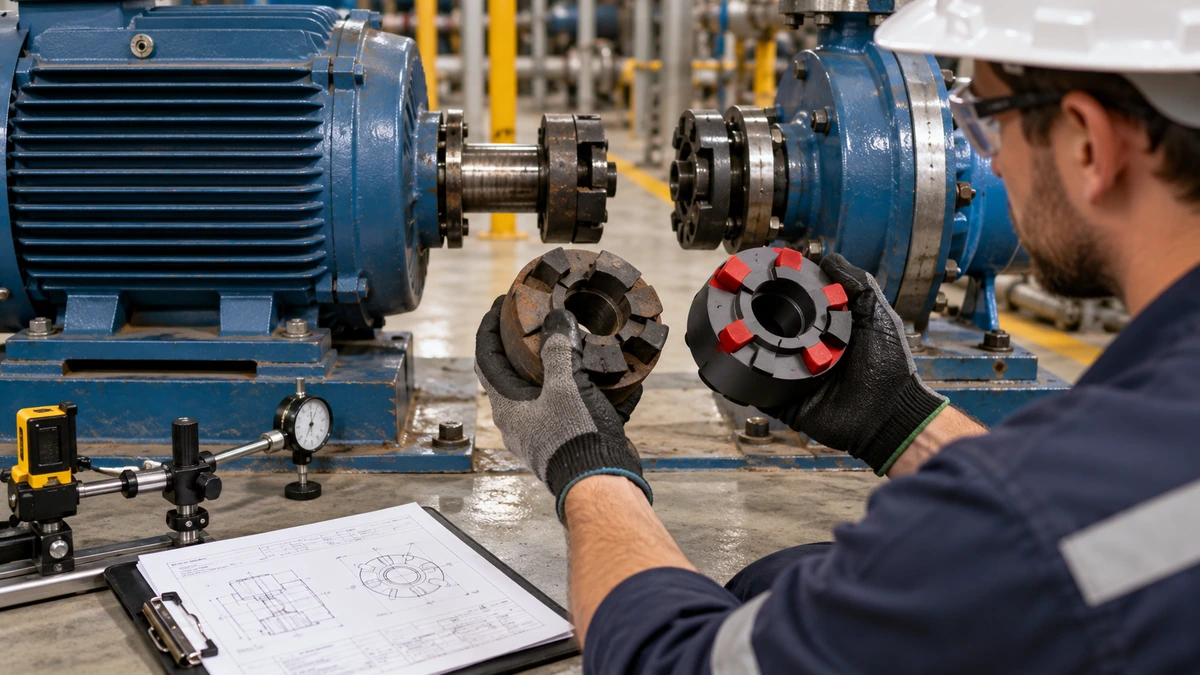
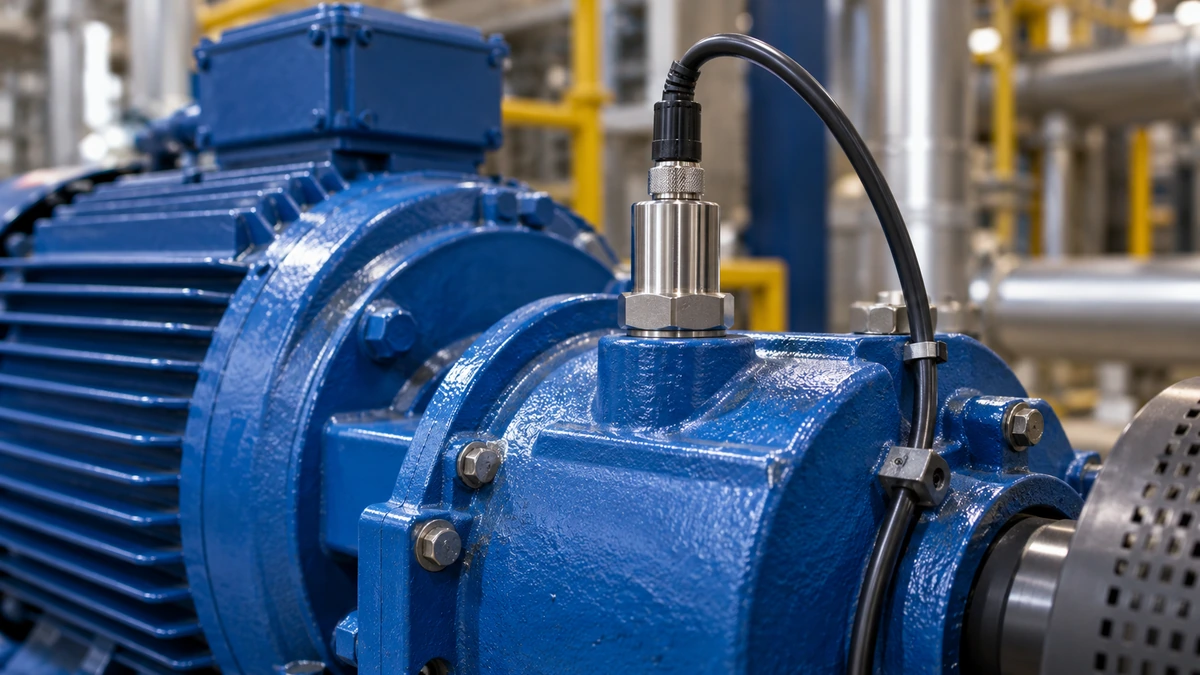
Pumps, compressors, fans, blowers, bearings, seals, couplings and maintenance-critical rotating equipment spares.

VAL

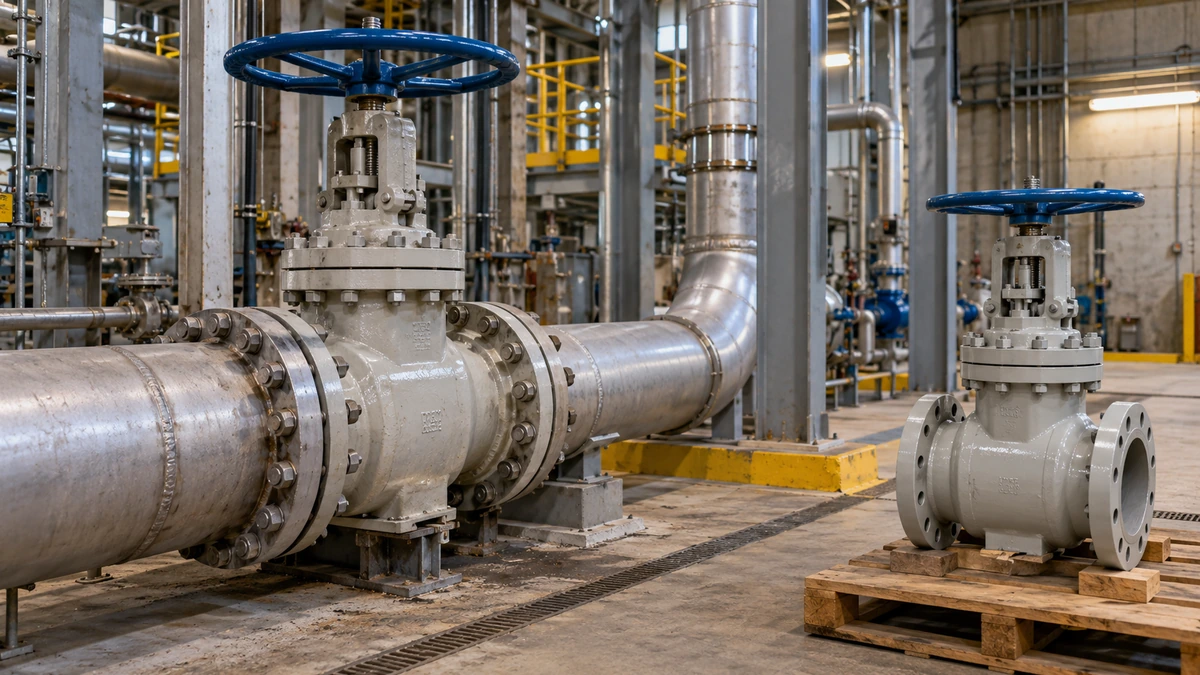
Valves & Actuation

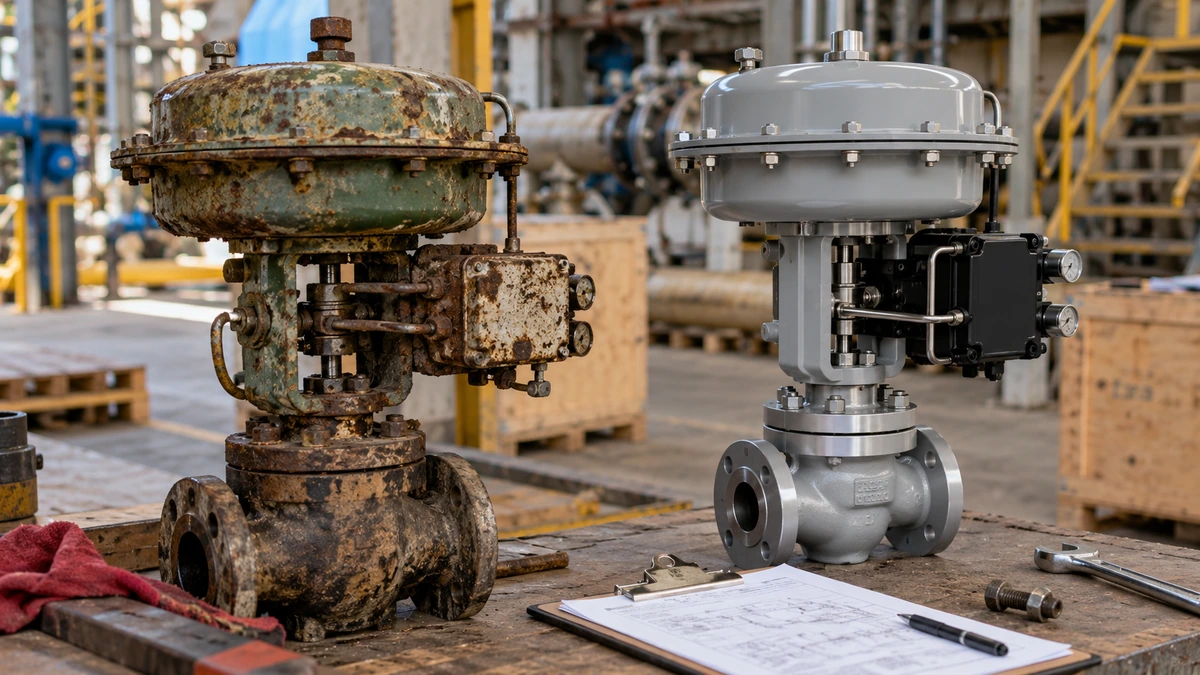
Control and isolation valves, electric actuators, pneumatic and hydraulic actuation, positioners and related accessories.

INS

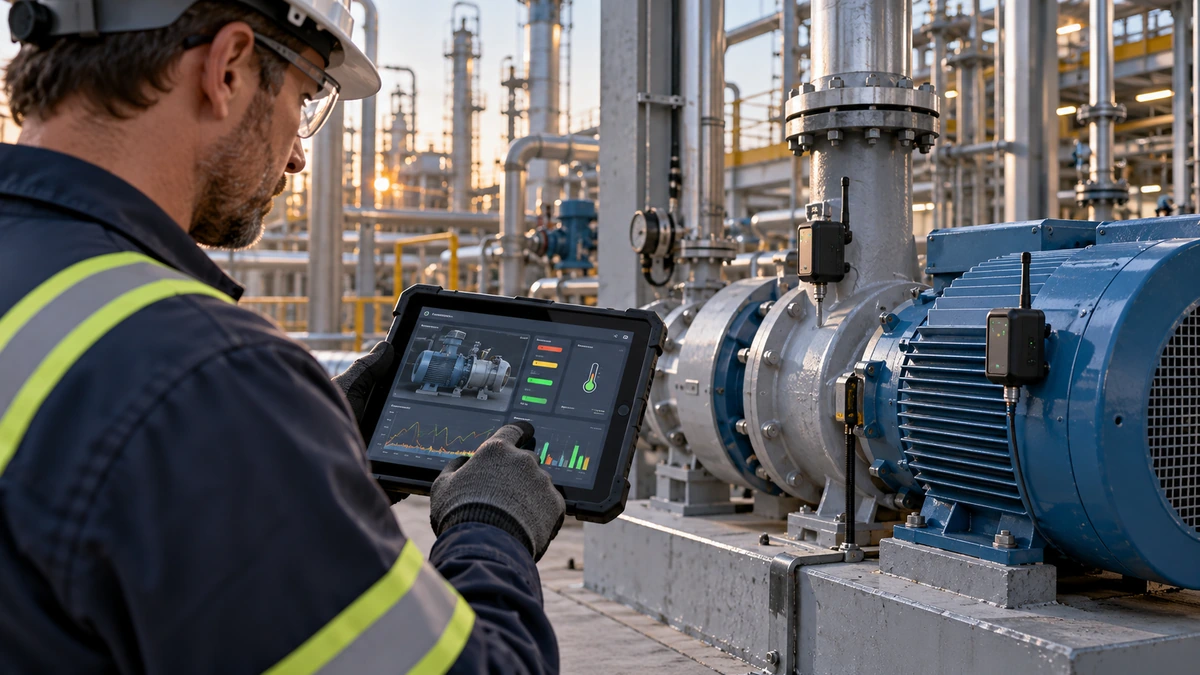
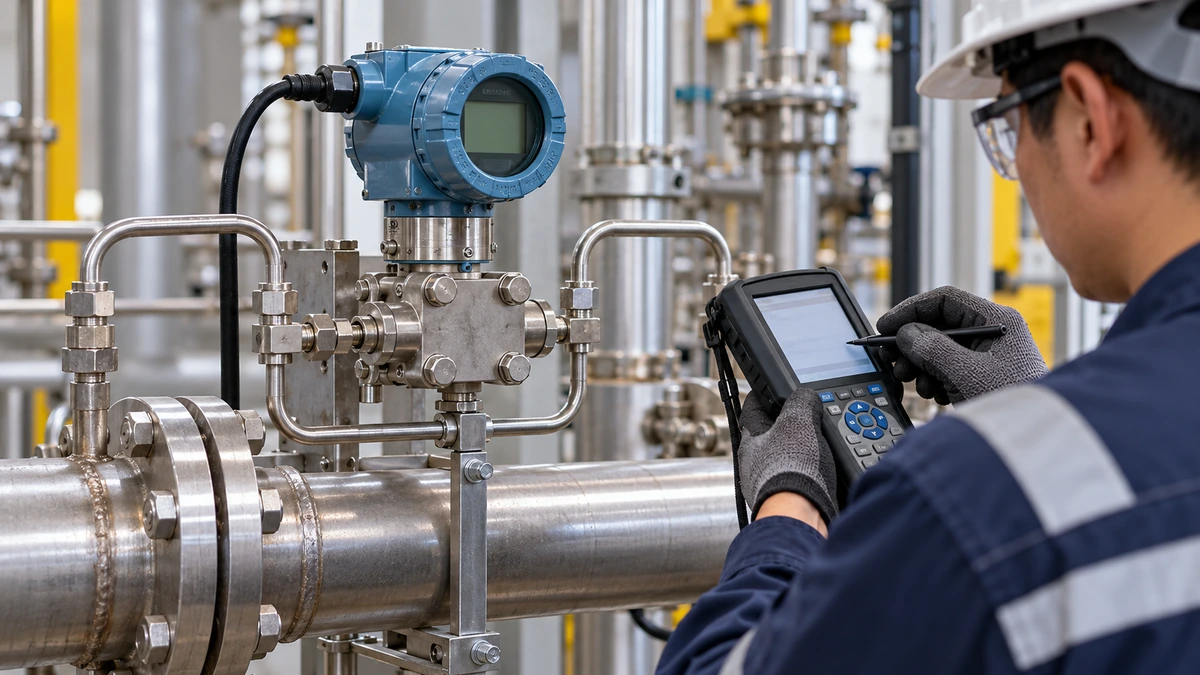
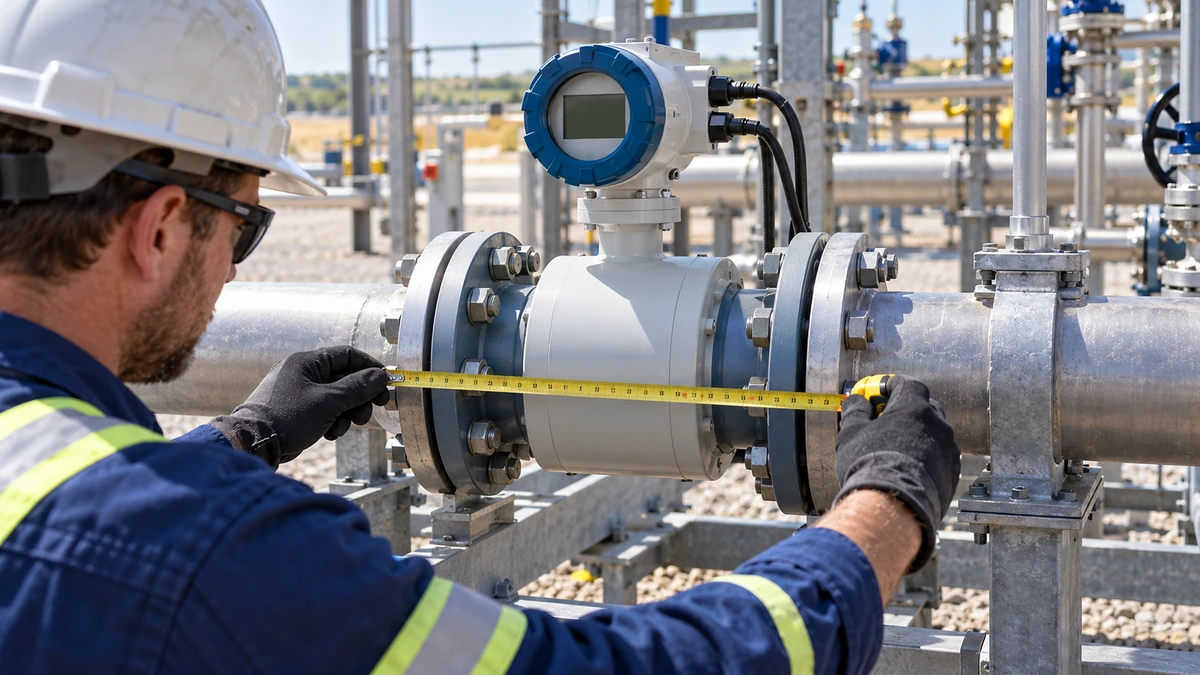
Instrumentation & Monitoring

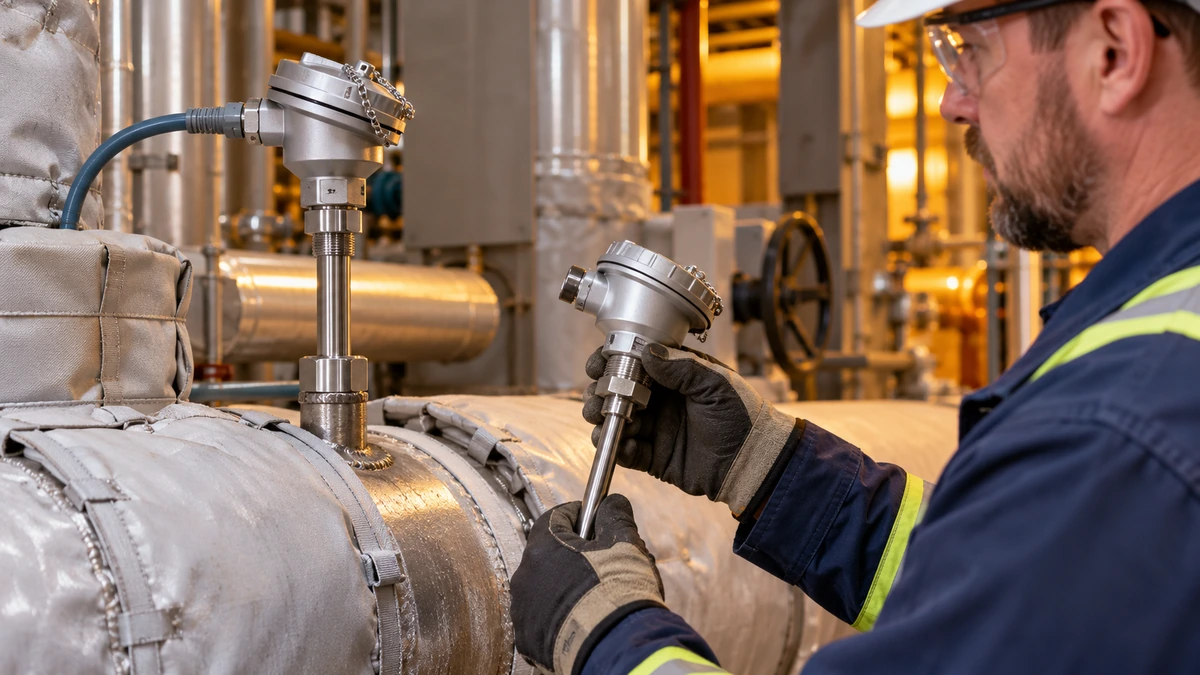
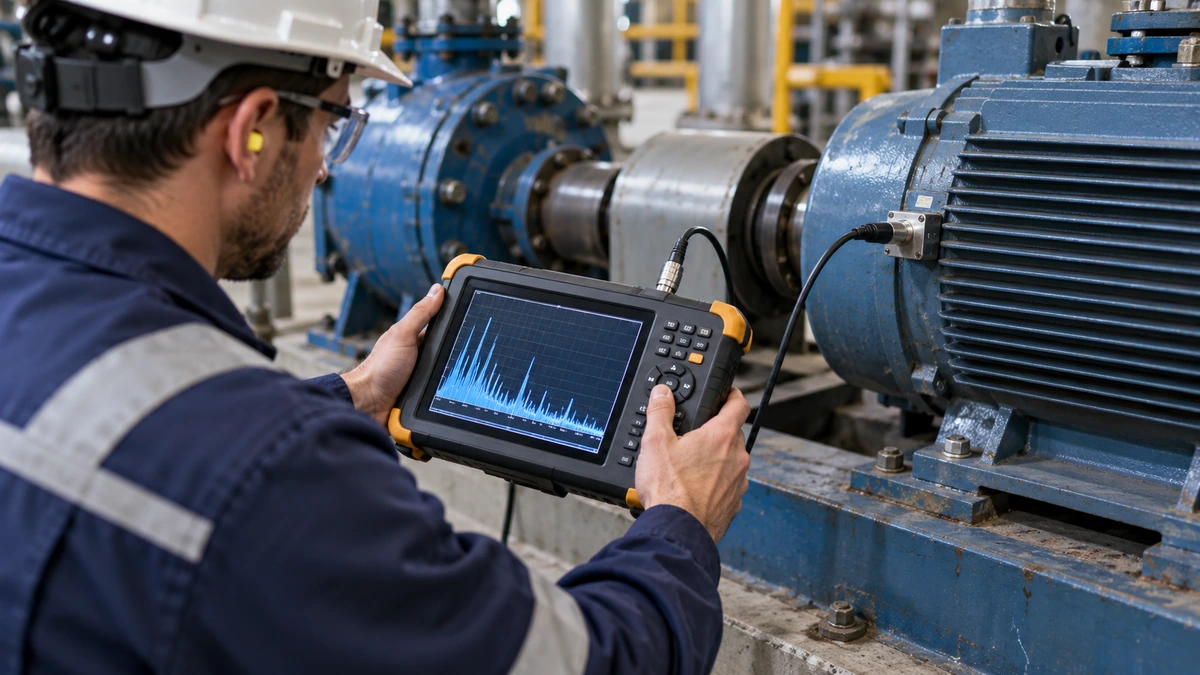
Pressure, flow, level, temperature, position, gas, vibration, condition monitoring and industrial diagnostic instruments.
HYP

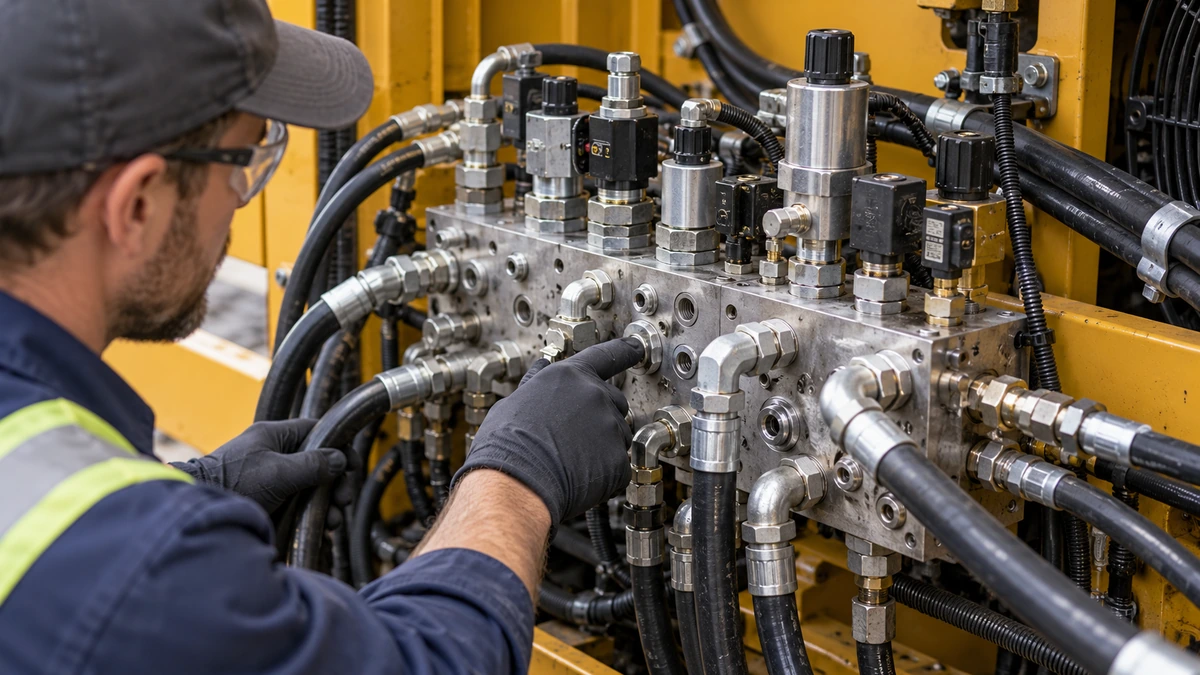
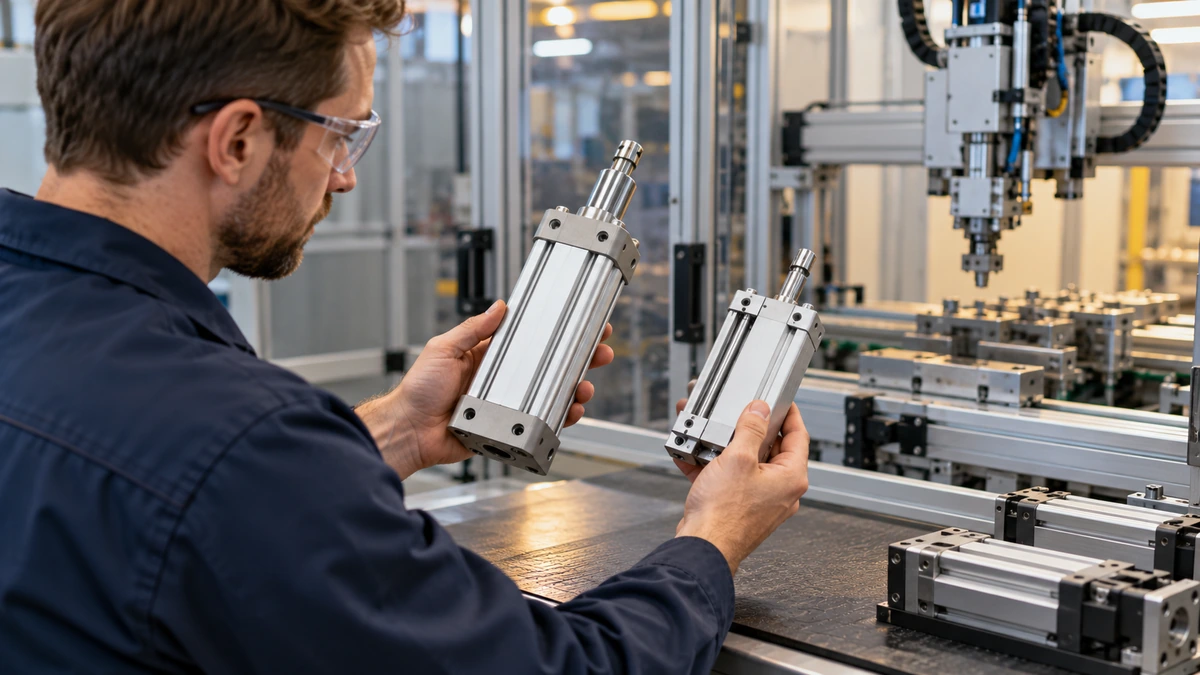
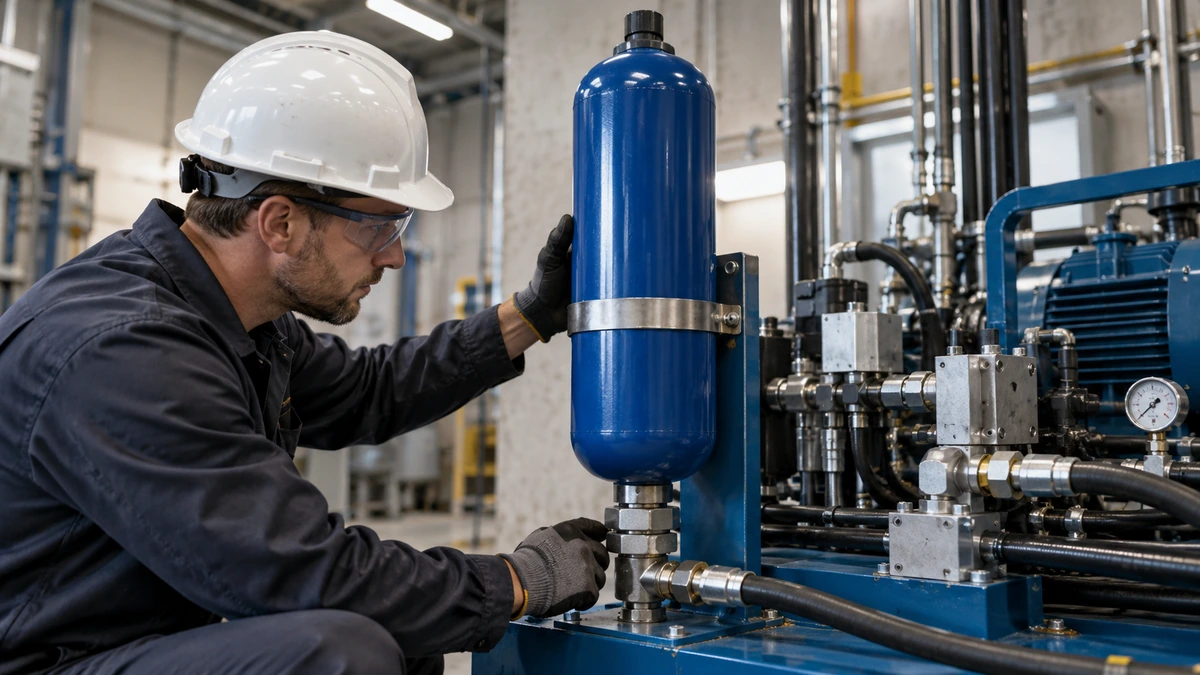
Hydraulic & Pneumatic

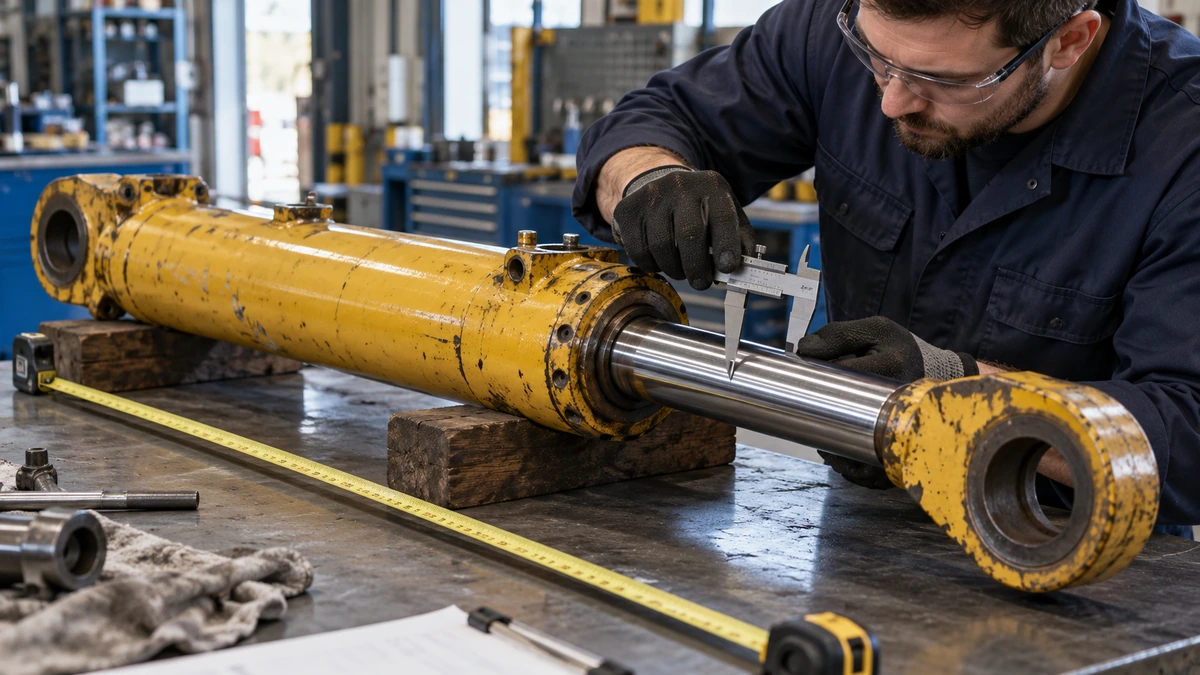
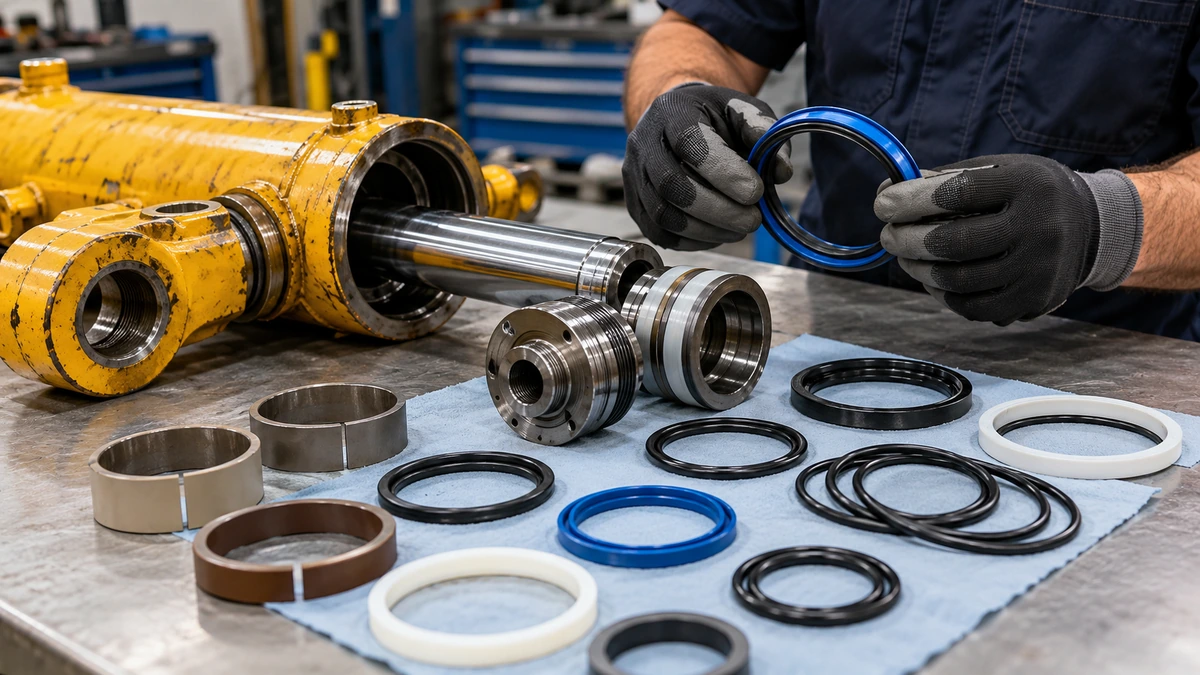
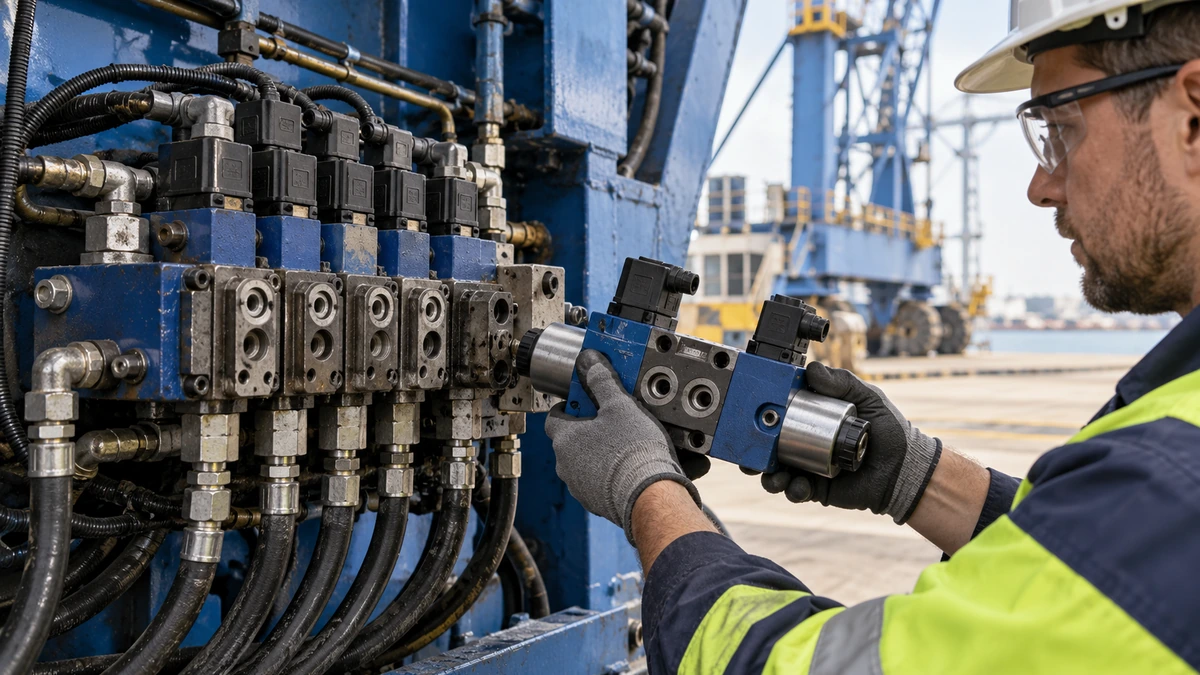
Pumps, accumulators, cylinders, directional/control valves, manifolds, air preparation and selected motion-control assemblies.

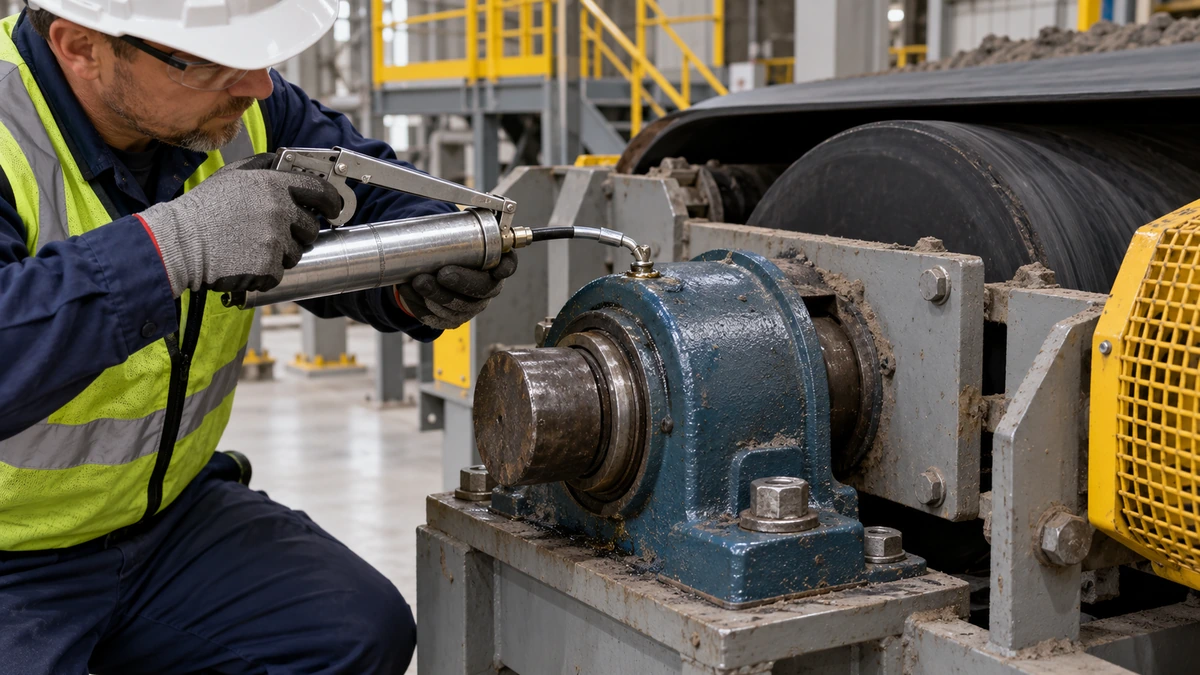
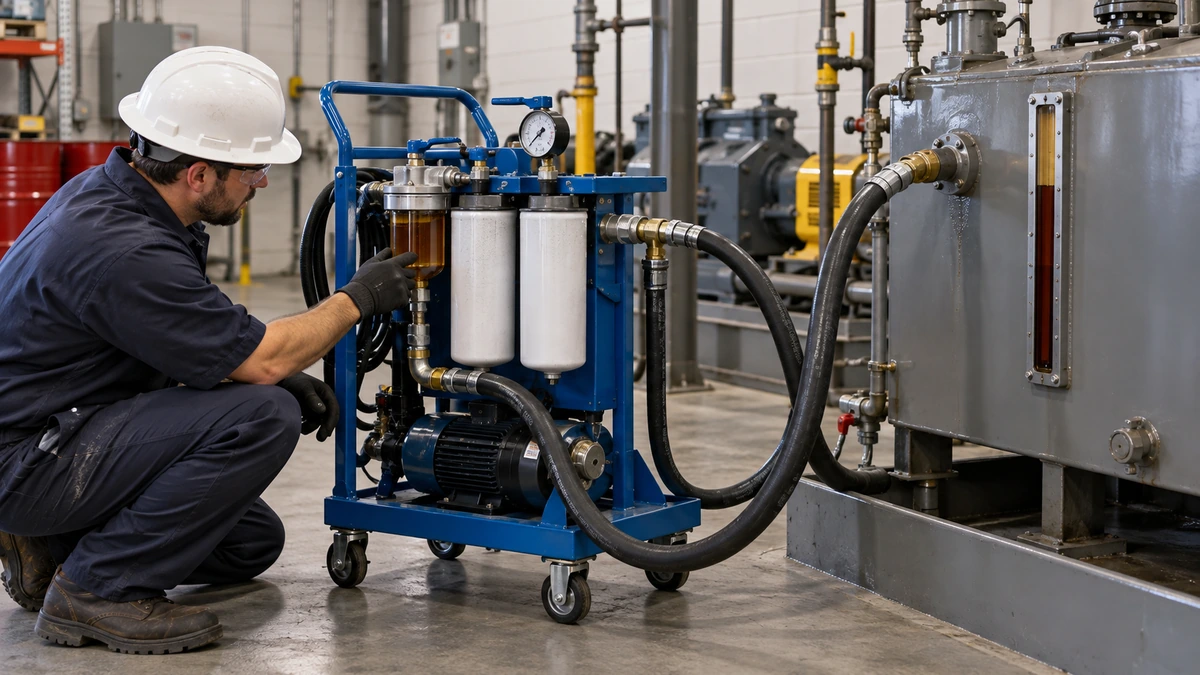
REL

Reliability & Maintenance Technology

Lubrication, filtration, contamination control, predictive maintenance, thermal and machine-condition technologies.
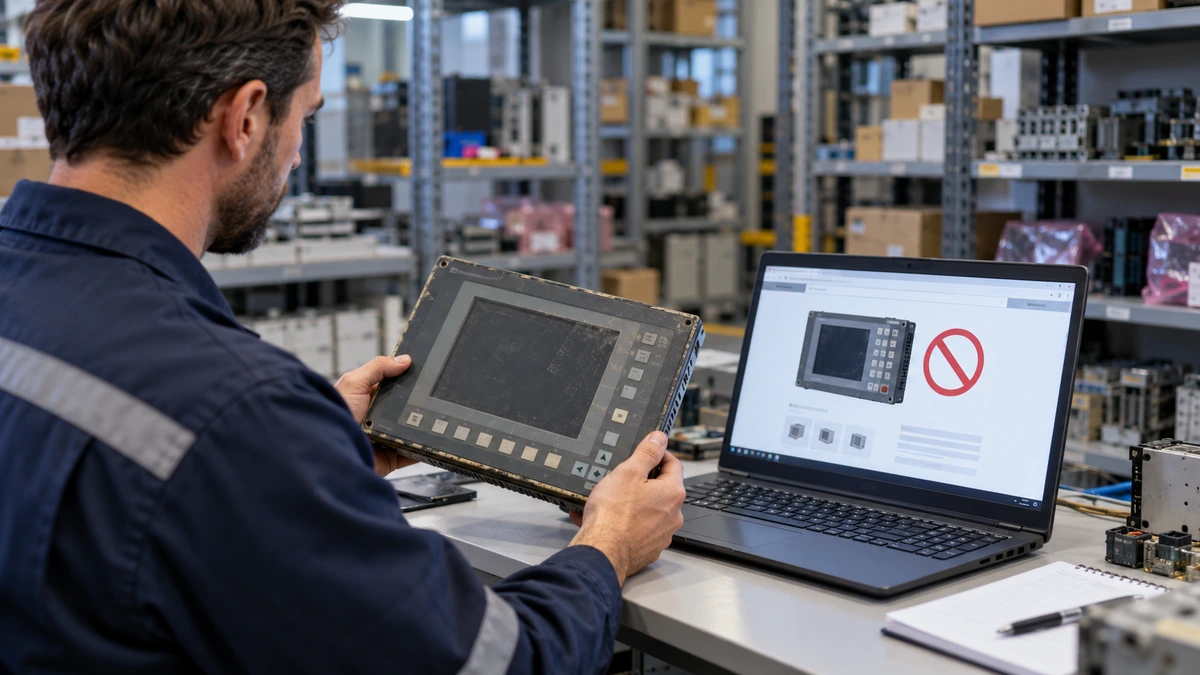
OBS

Obsolete & Critical Plant Spares

Exact replacement, lifecycle assessment, repair-versus-replace, controlled equivalents and difficult-to-source legacy plant items.

Sectors

Industrial Environments I Understand

01 Sector

Power Generation & Utilities

CCPP, thermal, utility systems, grid, substation, protection, auxiliary systems and maintenance spares.

02 Sector

Oil, Gas, Refinery & Pipeline

Actuation, instrumentation, pumps, hazardous-area items, shutdown-related equipment and process spares.

03 Sector

Steel, Cement & Heavy Process

Motors, drives, conveyors, hydraulic systems, lubrication, filtration, dust collection and rotating equipment.

04 Sector

Water, Chemical & Fertilizer

Pumps, dosing, valves, process instrumentation, compressors, chemical handling and utility equipment.

05 Sector

Marine, Port & Material Handling

Motors, pumps, crane and conveyor systems, cable management, safety switches and critical maintenance spares.

06 Sector

General Industrial Manufacturing

Automation, machine auxiliaries, compressed air, coolant management, maintenance technology and production support equipment.

Why Technical Depth Matters

The Product Name Is Often the Easy Part

Procurement risk frequently sits below the product name: revision, firmware, winding and insulation data, material grade, pressure rating, ingress protection, hazardous-area approval, protocol, connector, test standard, lifecycle status or an undocumented component substitution.

PLC / ElectronicsHardware revision, firmware compatibility, I/O type, protocol, lifecycle and authenticity.
MotorsVoltage, frequency, frame, efficiency, insulation, duty, IP, mounting, hazardous-area and load/application details.
PumpsDuty point, material, seal, viscosity/service, flange, motor, curve and hydraulic performance.
Valves / ActuatorsTorque, fail position, pressure class, materials, control signal, enclosure and hazardous-area requirements.
InstrumentationRange, accuracy, process connection, wetted material, output/protocol, approvals and calibration evidence.
Private LabelBOM, golden sample, test plan, labels, origin marking, certification path and unauthorized change prevention.
Execution Process

From Requirement to Buying Decision or Controlled Production

Step 01

Receive Requirement

RFQ, drawing, datasheet, model, supplier offer, application or private-label product brief.

Step 02

Technical Gate

Clarify specification, revision, application, certificate, compliance and missing technical data.

Step 03

Vendor / OEM Qualification

Compare genuine route, factory capability, evidence, commercial terms and technical conformity.

Step 04

Decision & Execution

Buyer receives comparison and next actions, or the selected route proceeds to PO, sample or production control.

Step 05

Document Control

Certificates, drawings, origin, test records, approved deviations and commercial documents are tracked.

Step 06

QC / Inspection

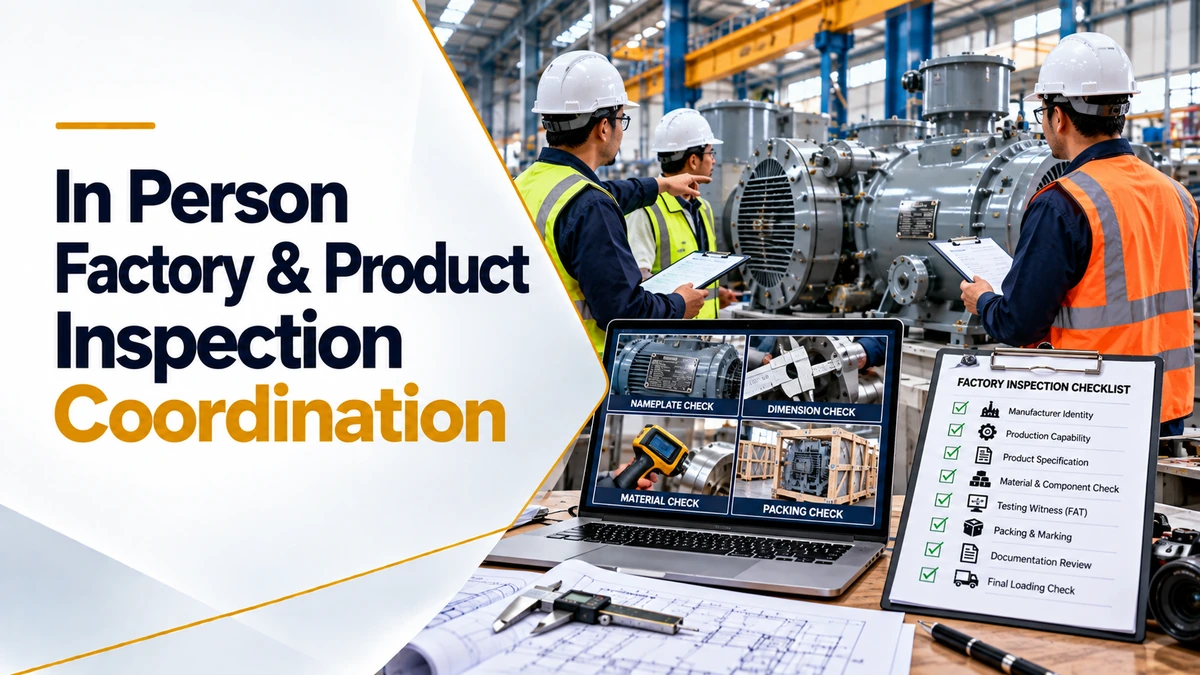
Where required, sample, production or pre-shipment checks are matched to the approved technical baseline.

Step 07

Shipment Readiness

Review documentation, packing, marking and remaining exceptions before release.

Step 08

Supplier Performance Record

Repeat suppliers can be tracked for responsiveness, quality, deviation, delivery and document performance.

Evidence Library

Reserved for Real Technical Proof

These boxes are intentionally empty. Do not fill them with stock images. Later, add only redacted real evidence that strengthens buyer trust.

01

Redacted Difficult RFQ

Reserved for a real RFQ showing technical complexity, with client names, prices and confidential data removed.

Keep empty until approved proof is ready
02

Vendor Comparison / Risk Matrix

Reserved for a redacted technical-commercial comparison showing how supplier routes and deviations are evaluated.

Keep empty until approved proof is ready
03

Private Label / Factory Control Proof

Reserved for future prototype, factory audit, golden sample, QC or private-label manufacturing evidence.

Keep empty until approved proof is ready
Engagement Pricing

Pay for the Level of Technical Control You Need

A single RFQ review, vendor qualification project, private-label development program and recurring embedded procurement desk are different engagements. Pricing should reflect workload and responsibility, not the number of report pages.

Technical RFQ Decision ReviewFrom $950
Deep OEM / Supplier Risk ReviewFrom $1,750
Technical Vendor SelectionFrom $3,500
Private Label OEM/ODM DevelopmentFrom $6,500
Embedded Technical Procurement DeskFrom $4,500 / month
Commercial Independence

I Am Paid by the Buyer, Not by the Factory

For private-label OEM/ODM and supplier-selection work, I do not accept manufacturer commission, rebate, kickback or hidden supplier payment for recommending one factory over another.

  • Factory selection based on evidence and technical fit
  • Client controls the approved specification and brand
  • Supplier quotations can remain commercially transparent when agreed
  • Conflicts and deviations are escalated to the buyer
  • Formal third-party certification remains with the relevant accredited body
FAQ

Questions Before We Start

Are you a sourcing freelancer?

No. Supplier identification can be part of an assignment, but the service is positioned around technical industrial procurement, supplier-risk control, vendor qualification, OEM/ODM development and procurement execution.

Can you take over difficult RFQs when our procurement team is overloaded?

Yes. A defined RFQ package or recurring workload can be handled as an external technical procurement desk, including clarification, vendor qualification, quotation comparison, document control and follow-up.

Can you review obsolete PLC cards, grey-market electronics or revision-sensitive items?

Yes, as a procurement-risk and route-review assignment. Checks can include model, hardware revision, firmware compatibility, lifecycle status, supplier route, serial/nameplate evidence and available OEM documentation. Final compatibility remains subject to the actual system configuration and manufacturer requirements.

Can you develop an industrial product under our U.S. brand in China?

Yes, where a technically capable OEM/ODM route exists. The project can include factory qualification, technical RFQ, drawing/BOM control, sample, test plan, branding, compliance-pathway coordination, production QC and shipment readiness.

Do you take commission from Chinese factories?

No. For buyer-side OEM/ODM and supplier-selection engagements, I do not accept manufacturer commission, rebate, kickback or hidden supplier payment for recommending a factory.

Do you certify that a product is UL, ETL, FCC, ASME or otherwise U.S. compliant?

No. I can screen the likely product-specific compliance pathway, review supplier evidence and coordinate with qualified laboratories, certification bodies or advisers when required. Formal certification or legal approval remains with the relevant authorized body.

What should I send first?

Send the RFQ, datasheet, drawing, model, application, existing supplier offer, required quantity, destination and any known certification or technical requirement. For private-label projects, also send your branding objective and annual volume estimate.

Send the Difficult RFQ, Supplier Offer or Product Specification

I will first determine which engagement fits the requirement: technical review, supplier-risk investigation, vendor qualification, procurement execution or private-label OEM/ODM development.